
Start Driving Real Results Today
Launch performance campaigns on TrafficStars and turn ad spend into measurable growth.
Enregistrement
Video Pre-Roll
Video IM slider
Banners
Native
Native
Full Page Interstitial
Popunder
Push
Video Pre-Roll
Video IM slider
Banners
Native
Push
Popunder
Full Page Interstitial
Check out minimum bids
for various CPM ad formats Check out minimum
bids for various CPM
ad formats
for various CPM ad formats Check out minimum
bids for various CPM
ad formats
Get traffic at the best rates.
Here are the minimum bids. An effective CPM/CPC depends on the competition and your targeting options. Start creating an ad campaign to check the recommended bid.
| Tier1 | Tier2 | Tier3 | |
|---|---|---|---|
| Popunder | $0.5 | $0.16 | $0.1 |
| Video | $0.3 | $0.1 | $0.08 |
| Native | $0.01 | $0.003 | $0.001 |
| Banner | $0.01 | $0.004 | $0.002 |
| Interstitial | $0.04 | $0.2 | $0.1 |
| Push | $0.01 | $0.003 | $0.001 |
Why TrafficStars?
TrafficStars is a powerful, self-serve Ad Network and Ad Exchange.
 User-friendly interface
Our intuitive platform will make media buying easy for you, whether you’re a beginner or an expert
User-friendly interface
Our intuitive platform will make media buying easy for you, whether you’re a beginner or an expert
 Real-time statistics
Detailed, real-time statistics provide you with insights to optimize campaigns
Real-time statistics
Detailed, real-time statistics provide you with insights to optimize campaigns
 Extensive targeting
Target users by Country, Site, Language, Category, OS, Device, Browser, Carrier and IP Range
Extensive targeting
Target users by Country, Site, Language, Category, OS, Device, Browser, Carrier and IP Range
Extensive targeting
Target users by Country, Site, Language, Category, OS, Device, Browser, Carrier and IP Range
Extensive targeting
Target users by Country, Site, Language, Category, OS, Device, Browser, Carrier and IP Range
 Track conversions and ROI
Reach your sales objectives by using our platform’s complete tracking capabilities
Track conversions and ROI
Reach your sales objectives by using our platform’s complete tracking capabilities
 Most efficient retargeting
Don’t lose opportunities and retarget leads with our powerful platform
Most efficient retargeting
Don’t lose opportunities and retarget leads with our powerful platform
 CPM, CPC, CPMV and DCPM
Select the most appropriate pricing model for your campaigns
CPM, CPC, CPMV and DCPM
Select the most appropriate pricing model for your campaigns
 Exclusive traffic sources
Traffic sources that will convert are only one click away
Exclusive traffic sources
Traffic sources that will convert are only one click away
 Expert support
You will have a personal account manager to help you take advantage of all the features of our platform
Expert support
You will have a personal account manager to help you take advantage of all the features of our platform
 Real-time bidding system
Get access to billions of daily impressions by choosing your bid according to each placement and targeting
Real-time bidding system
Get access to billions of daily impressions by choosing your bid according to each placement and targeting
 Automatic Payouts
Select the payment method that suits you – we will process it automatically
Real-time statistics
Detailed, real-time statistics provide you with insights to optimize campaigns
Automatic Payouts
Select the payment method that suits you – we will process it automatically
Real-time statistics
Detailed, real-time statistics provide you with insights to optimize campaigns
 Compliant Ads
Have control over running Google compliant ads via compliant ad formats
Compliant Ads
Have control over running Google compliant ads via compliant ad formats
Compliant Ads
Have control over running Google compliant ads via compliant ad formats
Compliant Ads
Have control over running Google compliant ads via compliant ad formats
 Security
Our compliance team ensures your site safety 24/7
Expert support
You will have a personal account manager to help you take advantage of all the features of our platform
Security
Our compliance team ensures your site safety 24/7
Expert support
You will have a personal account manager to help you take advantage of all the features of our platform
 100% Fill Rate
All your traffic will be monetized, worldwide
100% Fill Rate
All your traffic will be monetized, worldwide
Top verticals🔥
Webcam
📹
Dating
❤️
Games
🎮
Video-on-demand
🎞
Nutra
💊
eCommerce
🛒
Betting
⚽️
Igaming
🎲
Webcam
📹
Dating
❤️
Games
🎮
Video-on-demand
🎞
Nutra
💊
eCommerce
🛒
Betting
⚽️
Igaming
🎲
Ad Formats
Promote your offers through our high-performing ad formats.
Video

Video
Video ads are the most effective format for increasing brand awareness.
💡 Start with a Pre-Roll format to maximize results
Banner

Banner
Widespread availability and compatibility with various websites.
💡 Use video banner ads to increase CTR
Native

Native
Non-obtrusive and cost-effective ad format
💡 Craft captivating headlines to grab attention.
Interstitial

Interstitial
Capture attention at key moments and drive immediate actions.
💡 Full-screen interstitials ensure 100% visibility
Popunder
Popunder
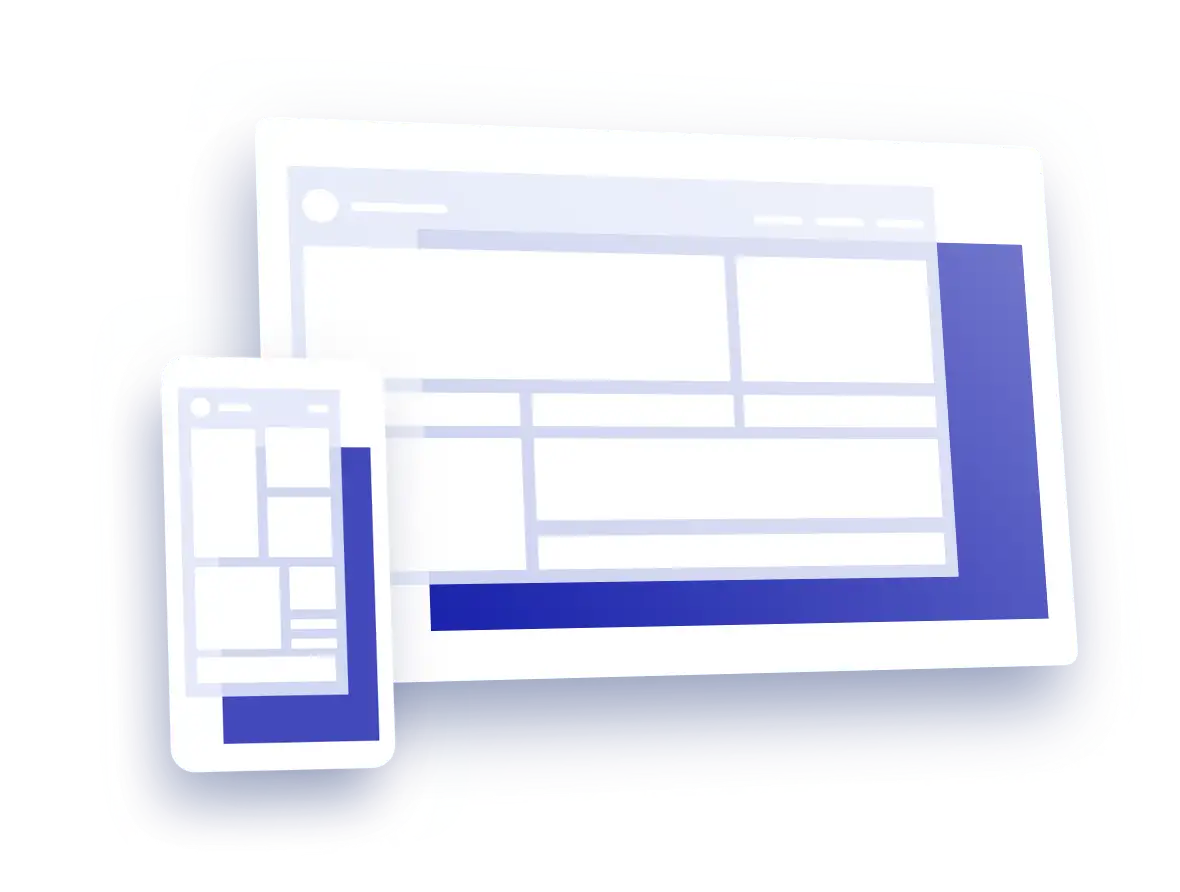
It’s the easiest format to launch ads, since you don’t have ad creatives.
💡 Target mobile devices to get the best results
Push
Push
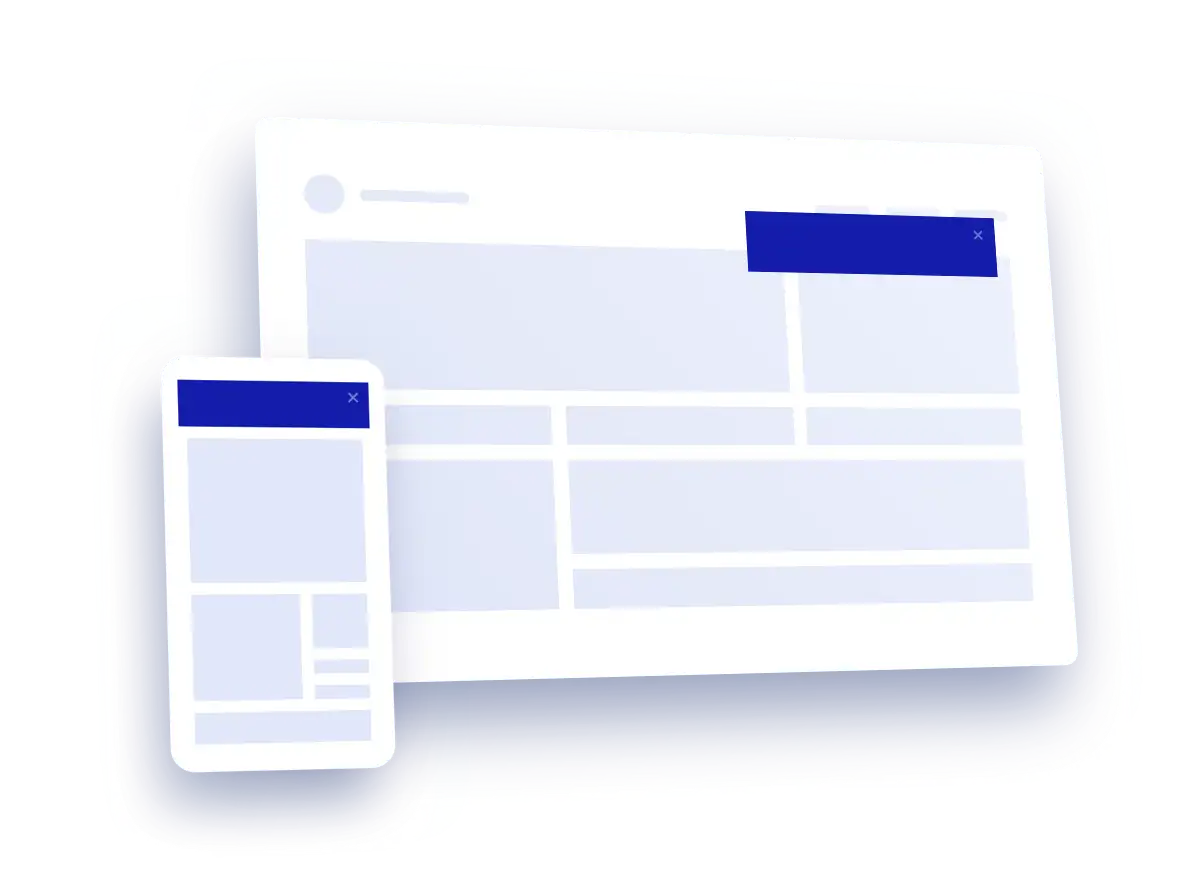
Ads are delivered on a user's device even when they're not browsing the internet.
💡 Use personalization tactics to improve ad performance

Performance advertising has become the default mindset for brands and affiliates who want predictable, scalable results. Instead of paying mainly for exposure, you optimise campaigns around actions that matter: purchases, leads, registrations, deposits, or app installs. In other words, you pay attention to outcomes, not noise, and you improve those outcomes through testing, targeting, and data.
In this guide, you will learn what is performance advertising, how to measure advertising performance, and how to apply performance based advertising principles using TrafficStars formats such as pre-roll video, video banners, native, and video-native.
What is performance advertising?
If you are asking what is performance advertising, it is advertising built around measurable conversions. The core idea is simple: every campaign has a defined goal and a set of metrics that prove whether the spend is producing value.
Performance advertising is often used interchangeably with performance-based advertising. Both point to the same approach: track conversions, assign value to them, and optimise until your costs and returns make sense.
Typical conversion goals include:
Registrations and subscriptions
Purchases and deposits
Leads (forms, calls, chats)
App installs and in-app events
Why advertising performance matters more than clicks
Clicks can be useful, but clicks alone do not pay bills. Strong advertising performance is about efficiency and scale: how reliably you can turn spend into profit.
The most common metrics used in performance advertising are:
CPA (cost per acquisition/action)
CPL (cost per lead)
ROAS (return on ad spend)
Conversion rate (click-to-action efficiency)
AOV and LTV (value per customer, now and over time)
A campaign can look “good” on CTR and still fail if the landing page, offer, or funnel cannot convert.
Performance based advertising in practice: the optimisation loop
High-performing campaigns follow an iterative loop:
Choose one primary goal (for example, registrations under a target CPA).
Track the right event (registration, deposit, purchase, install).
Launch with clear hypotheses (audience, creative angle, offer).
Read the data fast (placements, devices, geos, creatives).
Optimise ruthlessly (cut losers, scale winners, refresh creatives).
This is the working reality of performance based advertising: decisions are driven by numbers, not opinions.
Where TrafficStars fits into performance advertising
TrafficStars is built for advertisers who care about measurable results. The platform supports performance-focused media buying with formats that can be tested, compared, and scaled based on real outcomes.
For performance advertising on TrafficStars, the main advantage is flexibility: you can match formats to funnel stage (awareness, consideration, conversion) and to user behaviour (scrolling, browsing, watching content, clicking through).
Key formats commonly used for performance campaigns include:
Pre-roll video for fast reach with strong message delivery
Video banners for high visibility without relying on sound
Dynamic native ads to blend into content environments while retaining strong CTR potential
Video-native for a hybrid approach that combines motion with a native feel
Mobile performance advertising: why it needs its own approach
Mobile performance advertising is not just “desktop, but smaller”. Mobile users behave differently: shorter attention windows, faster scrolling, more impulsive actions, and a heavier reliance on creative clarity.
If you run mobile performance advertising campaigns, prioritise:
Fast-loading landers (or pre-landers)
Clear, single-action flows (register, install, deposit)
Creative built for vertical screens and quick comprehension
Frequent creative refresh to prevent fatigue
Mobile is also where video formats often outperform, particularly when you communicate the offer within the first seconds.
Performance advertising examples for TrafficStars campaigns
Below are practical performance advertising examples you can adapt, depending on your vertical and funnel.
Example 1: Dating offer
Goal: registrations at target CPA
Format: dynamic native for volume + pre-roll for message clarity
Creative angle: benefit-led headline + strong first-frame hook
Optimisation focus: split by geo, device, and placement; scale the best combinations
Example 2: iGaming (deposit-focused)
Goal: first-time deposit (FTD) efficiency
Format: pre-roll to communicate the bonus clearly; video banners for retargeting-style pressure
Creative angle: bonus framing (welcome offer) + trust cues (fast payout, support)
Optimisation focus: test multiple offers and landing pages; watch post-click conversion rate
Example 3: Utility or subscription (lead-focused)
Goal: leads with quality filtering
Format: native for intent-driven clicks
Creative angle: problem/solution framing, simple promise, low-friction CTA
Optimisation focus: tighten targeting and exclude low-performing placements early
Example 4: App offer (install-to-event)
Goal: installs, then an in-app event (signup, purchase, subscription)
Format: video-native or pre-roll for higher-quality acquisition
Creative angle: show the core value in seconds (what the user gets, immediately)
Optimisation focus: measure beyond installs; optimise towards the event that predicts LTV
How to improve performance-based advertising results on TrafficStars
The biggest wins usually come from fundamentals:
1) Creative testing is non-negotiable
Produce multiple angles, not minor variations. Test different hooks, visuals, and value propositions.
2) Match the format to the funnel stage
Video often works best for first contact and offer explanation; native can be strong for scalable click volume; video banners can reinforce recall and drive action.
3) Optimise for the right metric
If you optimise for cheap clicks, you often buy low-quality traffic. If you optimise for the conversion event that matters, the platform data becomes useful.
4) Make landing pages do less, better
Remove distractions. One message, one action, one clear path.
5) Scale in steps
When you find a winner, increase budget gradually and keep testing in parallel so performance does not decay.
The most common reasons performance advertising fails
Performance advertising is powerful, but it is not automatic. The most frequent failure points are:
Weak or missing conversion tracking
Too many campaign variables at once (no clean learnings)
Creative fatigue from running the same assets too long
Slow, confusing landing pages
Judging success by clicks rather than outcomes
Fix tracking first, then simplify testing, then scale.
Final thoughts
Performance advertising is not a single tactic. It is a disciplined way of buying media: define the action, measure the outcome, and optimise relentlessly. Whether you call it performance advertising, performance based advertising, or performance-based advertising, the logic stays the same: spend where results are proven.
TrafficStars gives performance marketers a strong set of formats for testing and scaling, particularly in mobile-first environments where attention is short and creative clarity decides everything.