
.png "Mobile Native Advertising: A Closer Look at Its Impact and Effectiveness")
What is native advertising?
Mobile native advertising is a paid media format for smartphones and tablets in which ads mimic the look, feel, format, and function of the surrounding content, so they fit naturally into a site, app, social feed, or publisher’s editorial content instead of standing out like traditional display ads. For medium to large advertisers, affiliate and performance marketers buying global mobile traffic, and publishers looking to monetize it, the format matters because it reduces the disruption, low readability, and banner blindness common with traditional ads while improving user experience and often lifting engagement and click-through rates.
At first glance, native ads may seem simple: write unobtrusive copy and place it on mobile pages. In practice, strong results require a deeper understanding of how the format works, where it appears, and how it differs from display ads. This guide explains the basics of mobile native advertising, the main native ad types, how sponsored content appears in feeds and alongside editorial content, the advantages for advertisers and publishers, practical campaign tips, and the trends shaping mobile performance.
Native ads are ads that:
- integrate seamlessly into the pages of a website, app, or social platform;
- match the style, shape, layout, and topic of the surrounding content;
- appear in search results, in-feed placements, or under or above editorial material on the web.
Another common misconception is that the format is hard to identify. In fact, native ads are usually easy to distinguish from organic content because regulations require clear labels such as sponsored content, the advertiser’s name, or the platform where the publication was created.
In social networks, native promotion has taken on a special form. Users scroll through a news feed, and the platform recommends a paid post, video, or other sponsored content that blends into the feed without breaking the browsing flow. It is still noticeable as an ad, but because it matches the mobile environment, it is often less intrusive than traditional ads.
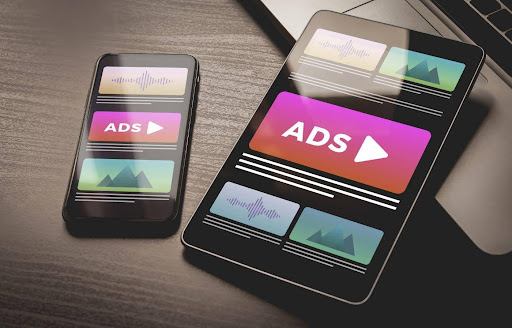
How does native advertising work?
The principle of mobile native advertising is simple: it is a form of paid media in which ads mimic the look, feel, and function of surrounding content and editorial content, unlike traditional ads or display ads, so they fit the mobile environment in a non disruptive way. Consumers see the content and perform targeted actions based on campaign goals. Sponsored content should still be clearly labeled for transparency and a better ad experience. One proof point: 75% of consumers trust native ads in editorial environments.
Before launching a campaign, you will need to create appropriate materials - videos with interesting content, images with a clear message and other options. Since there are many formats, this side of the promotion will be disclosed below.
Before launching a campaign, you will need to create appropriate materials - videos with interesting content, images with a clear message and other options. Since there are many formats, this side of the promotion will be disclosed below.
Market research will help attract target audiences and shape the proposal. As a service provider, you can create a detailed portrait or assess the existing demand for goods. This way, you can move on to the next point of the strategy - to publish the ad.
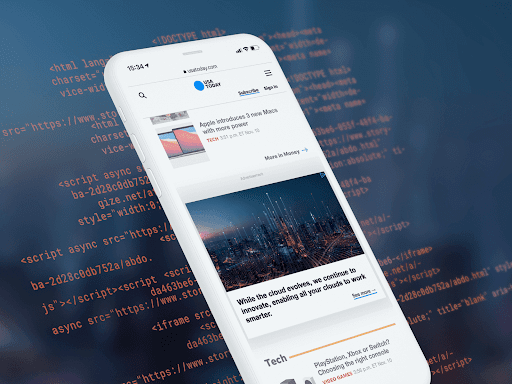
Publishing creatives is available in several ways. Social networks offer to pay to promote products and then recommend materials to the appropriate audience. In addition, marketing professionals use the network of technology to publish materials on thematic resources, and native ads offer more room for relevant placement that supports user interaction. A potential buyer searches for offers online and then finds your advertisement. Since the format is different from other options, there is no irritation. Consumers follow the instructions and start working with the author company.
The differences between native and banner ads
Banners that are actively used in the media space are causing consumer fatigue. Some users block intrusive ads on websites, while others have simply learned to ignore banner headlines. All this reduces the effectiveness of traditional campaigns.
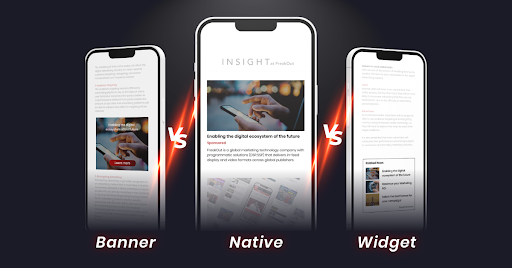
Mobile native advertising integrates promotional content seamlessly into the app or page design and function. The difference is that native ads match the style of the page, unlike traditional display ads that are meant to stand out. Advertising looks organic in the placement, so it supports user attention without interrupting the experience. The absence of colorful elements does not allow the "banner blindness" mode to turn on, which often leads to higher engagement and a smoother path to action because the ad fits the environment instead of disrupting it.
What are mobile native ads?
On mobile devices, traditional display ads such as banners often feel more intrusive and lose user attention, while mobile native advertising refers to placements built for a website or app that fit the surrounding experience. Moving to native advertising on mobile allows you to overcome these drawbacks. It helps create campaigns that:
- are appropriate for screen sizes, regardless of the device's operating system;
- retain readability and benefit potential audiences;
- match the platform design and native ads blend with the content stream in mobile apps.
Sponsor marks, links to third-party sources, and the companies' signatures that created the ads help detect them. Standard mobile banners are prone to banner blindness, which leads to low engagement. The text is made invisible to visitors so they don't notice it. Native ads are 53% more likely to be looked at than display ads and can deliver a click-through rate 8.8X higher than traditional display ads.
Types of native mobile ads
Mobile native advertising refers to ads designed for mobile websites and mobile apps. Marketing specialists recommend using pop-up tips for promotion. Unlike push notifications, the new approach justifies itself and looks more attractive for large and medium-sized brands.
In addition, native ads are created with the help of:
- Product ratings. This native ad format can include sponsored listings that resemble regular results in shopping search pages while still promoting the product.
- Recommendations. Many of these placements appear in feed and blend into an app or content stream by matching the platform design. They also include content recommendation ads that suggest relevant articles, videos, or products based on user interests and can lead people to additional content from the advertiser.
- Cards. Badges on maps do not surprise anyone because they have always been there. Today, marks are used to promote a brand, company, or store.
- Videos. Native video ads fit naturally into apps, social feeds, and publisher pages, and the right native ad format here is one that informs or entertains while clearly signaling the promotion.
- Content. Recommended articles of a website or blog are categorized as native ads. This can also include branded content or custom content created with a publisher or influencer so the message fits the audience and platform.
Push notifications are ineffective, although their use is still allowed. Modern users open messages in this format less often, so it should not be taken seriously. Even when these placements blend naturally into the interface, disclosure labels still identify them as advertising.
Advantages of mobile native ads
The widespread availability of smartphones with Internet access has made life easier and more complicated for marketing specialists simultaneously. It's because promotional campaigns require a rethinking of information delivery options, and marketers should choose the right native ad format based on campaign needs. The first native advertising mobile appeared in this way, and today it plays a growing role in digital advertising. Attention to the current market situation makes us wonder whether it is worth spending time on the format implementation, especially as native advertising offers a less intrusive way to reach established audiences and improve campaign performance.
1. The click-through rate (CTR) is higher than banner ads
The clickability of native publications is much higher than other media methods, which makes mobile native formats an important part of digital advertising and a scalable way to improve campaign performance, user engagement, and higher engagement rates. Viewing ads from mobile allows you to go to the recommended page and perform targeted actions instantly. It is possible to increase CTR and engagement rates thanks to:
- a message design that is consistent with the overall style of the site;
- the belief that a specific source provides all information;
- the problem of "banner blindness" does not arise.
The clickability of native publications is much higher than other media methods, which makes mobile native formats an important part of digital advertising and a scalable way to improve campaign performance, user engagement, and higher engagement rates. Viewing ads from mobile allows you to go to the recommended page and perform targeted actions instantly. It is possible to increase CTR and engagement rates thanks to:
2. Mobile native ads foster high purchase intent
A user searching for goods or products online is ready to buy/order/use the offer, so your job is to move beyond clicks and use stronger user engagement and engagement rates to turn that intent into action. Quality images, high rankings, and customer reviews help reinforce intent, while placements that match the site style often improve receptiveness and support better conversion rates. It can all be placed in one publication without the battle between native vs mobile advertising.
3. Mobile native ads combat ad fatigue
A user searching for goods or products online is ready to buy/order/use the offer, so your job is to move beyond clicks and use stronger user engagement and engagement rates to turn that intent into action. Quality images, high rankings, and customer reviews help reinforce intent, while placements that match the site style often improve receptiveness and support better conversion rates. It can all be placed in one publication without the battle between native vs mobile advertising.
4. Some native ad types are immune to ad blockers
Blocking ads from advertisers costs money. Usually, users who work on online portals and platforms resort to ad blocking. As experience shows, built-in blockers do not cope well with their tasks, so publishers have a chance to attract the audience's interest.
Relevant content on the page with ads builds trust in the platform and the brand that created the campaign. That's enough to get a user through the sales funnel and want to learn more about the vendor.
Mobile native advertising benefits for publishers
The platform where the ads will be placed can suffer from the abundance of ads. Native formats allow you to forget about such situations. The page loading speed is preserved, and the number of additional blocks does not affect this indicator.
In addition, publishers receive several other privileges that were previously unavailable:
- brightly colored banners attract too much attention, and new ads don't have the same effect: they blend in with the rest of the text on the page;
- recommended content becomes part of the platform, which means that users will still spend time on the site;
- a combination of multiple advertising methods will allow for more revenue without losing the audience.
Experiments with posting are ongoing. Thanks to this, the system of interaction with readers and advertisers can be improved. As a result, profits are growing, and the platform's popularity has increased, too.
Tips for mobile native advertising
When you have an understanding of what is mobile native advertising, it is worth deepening your knowledge. Because these units match the surrounding content, they often work better on a publisher's site than disruptive formats and support stronger page experience. The popularity of mobile devices with access to the Internet indicates new perspectives, so native ad campaigns can be optimized with programmatic buying and real-time bidding to refine targeting, improve placements, scale what works, and pause what does not.
Several tips can help you win in the media realm and stay successful. Use those recommendations that correspond to the detected problems, the brand's theme, and placements across the open web, including news sites, where ads should still remain transparent through clear labels. This way, their effectiveness will be maximized.
1. Make your ad creatives similar to organic content
Organic content is what sets native publications apart from other marketing formats. You will have to invest time and do thorough preparation to meet the requirement, and campaigns usually improve by testing placements, creatives, and audiences over time. Some useful guidelines include:
- Elaboration of elements. The style, design, font, and headline layout should match the platform's interface. This way, it will be possible to merge with other publications and not cause rejection among users.
- Analyzing triggers. It would be best if you made the ad high-quality to make it work. It is necessary to analyze the topics of publications and evaluate the impact of images on the number of clicks, especially for in feed placements in social media apps. Sponsored or promoted labels also help maintain transparency.
- Evaluate competitors. Ads of competing companies are also worth monitoring. It will help to improve their work and create creatives for promotion.
It will be possible to take a place in the niche and enjoy the attention of clients adhering to the proposed plan.
2. Prepare your website for traffic
The site's usability for mobile devices is the next step to consider. The lack of comfortable conditions will quickly distract the user from further study, threatening to lose advertising. The services of a programmer who can install the necessary flags and accelerate loading will help you avoid this.
An essential aspect of the site is the development protocols. Modern platforms allow you to increase the speed of loading pages due to the lack of downloading individual elements. Flash players of the past generation had these sins.
3. Create reusable ad templates
Creativity and originality will always be relevant, as will process optimization. It would be best to create a precise algorithm for departments to work efficiently. A minimum of tools, a skilled approach, and the ability to work under any conditions will save time.
Include in the plan ways to improve or simplify tasks. You will need special templates that will be used dozens of times. This way, preparing to launch new campaigns won't cause any inconvenience, and if necessary, only a few employees will perform the tasks.
Save your time and use it for the following achievements. Optimization will help eliminate unforeseen situations and allow you to create effective advertising campaigns.
4. Stay away from clickbait
Good mobile native advertising examples rarely include evocative headlines. You should not deceive or mislead your audience. Losing credibility will affect other aspects of the work, and the main goal of the campaign will remain unachieved. Programmatic buying automates ad space transactions through intelligent platforms.
Staying away from catchy headlines is difficult. Emphasize the real benefits of the product or service so that readers can evaluate the offer correctly. In addition, do not try to list all the benefits in one line: too much text in the announcement repels.
Only a few components will help you achieve the desired effect: precise wording of the thought, apparent benefits of the product, and clear intentions. For native content, keep brand messaging aligned with the publisher’s standards, and remember that native ads are often placed through programmatic buying methods, so reusable assets are useful for scaling. After going to the publisher's page, the user will return to you for further cooperation or find a replacement. Which of these options is better for you? Programmatic advertising continues to post double-digit growth, with global spend estimated at $493 billion in 2023.
F.A.Q.
What is mobile native advertising, and how does it work?
Native ads are ads that blend in with the page layout. They do not stand out against the background and seem to be an organic continuation of the article. Thanks to this, users intentionally open the publication and familiarize themselves with its content.
Can you provide some examples of successful mobile native advertising campaigns?
Restaurants can successfully adopt the strategy. It is worth remembering one of the establishments in New York – “Umberto’s Clam House”. Thanks to native advertising, Italian food is associated with this restaurant.
How does native advertising on mobile devices differ from traditional mobile advertising?
Native advertising is characterized by its organic nature. Its presence does not affect the page loading speed, and the headline corresponds to the content. In addition, it does not cause “banner blindness”.
What are the key benefits of using native advertising in the mobile space?
Fast-loading pages, relevant content, and the ability to get more traffic are among the list of critical benefits. Advertisers get the customers they need, and the publisher earns money through advertising.
Is mobile native advertising more effective in engaging users compared to other mobile ad formats?
Yes, native advertising is more effective. Ads have relevant content that corresponds to user intents.
Are there any best practices to create compelling mobile native ad content?
Placement plays a role, but you need to take the time to prepare ads with relevant content. It’s also worth researching to determine audience interests.
How can businesses get started with mobile native advertising to enhance their marketing strategies?
You can use native advertising to enhance your marketing strategies at any stage. It is worthwhile to conduct market research and prepare articles about the brand. Naturally spreading the material will help emphasize the offers.
What metrics should be monitored to measure the success of a mobile native advertising campaign?
The number of clicks and time spent on the advertiser’s site are the main parameters. It is also worth evaluating the CTR and the cost of clicks relative to profit.
What are the current trends in mobile native advertising, and where is it headed in the future?
New advertising formats are now in the take-off phase. The fatigue of media campaigns makes it possible to predict an increase in usage activity. By predictions for 2025, the investment size will reach $402 billion.
Are there any notable challenges or pitfalls to watch out for when using native advertising on mobile devices?
Proper site customization and relevant content is something you should pay special attention to. Usability and reputation management are the key features that distinguish native advertising for mobile devices.



.png)
.png)
.png)