preload logo
Welcome to TrafficStars

Video Ad Network That Scales: Run, Optimize & Grow with TrafficStars

Video Ad Network That Scales: Run, Optimize & Grow with TrafficStars

10B+
Impressions Daily
190+
Countries Reached
100%
Fill Rates Across Campaigns
Get Started
Video Ad Network That Scales: Run, Optimize & Grow with TrafficStars
About the Platform
The TrafficStars platform helps you achieve your goals
Easy integration illustration

Easy integration

for advertisers

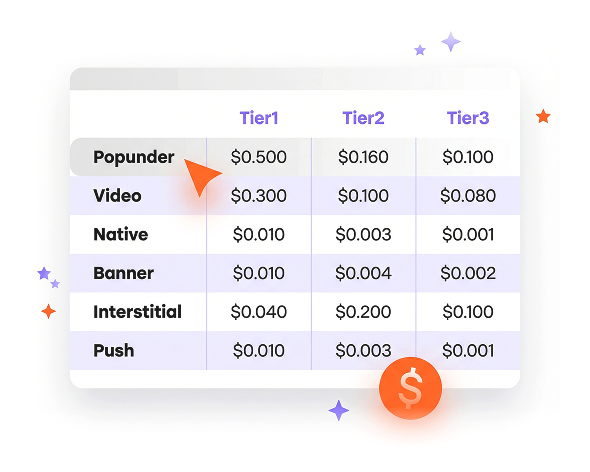
Advertising formats illustration

Support for advertising formats

Flexible targeting illustration

Flexible targeting

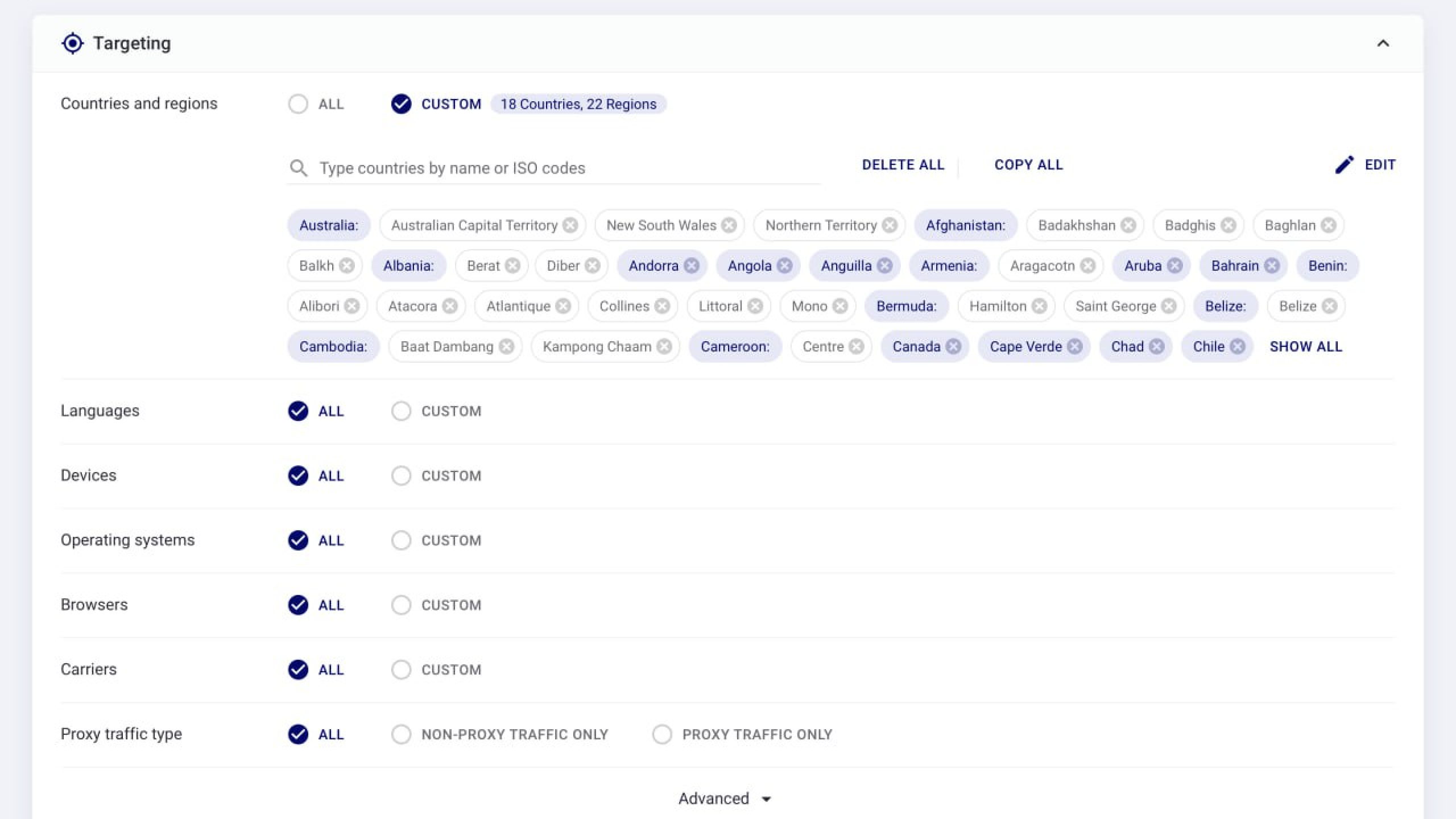
GEO, devices, languages, browsers, time intervals
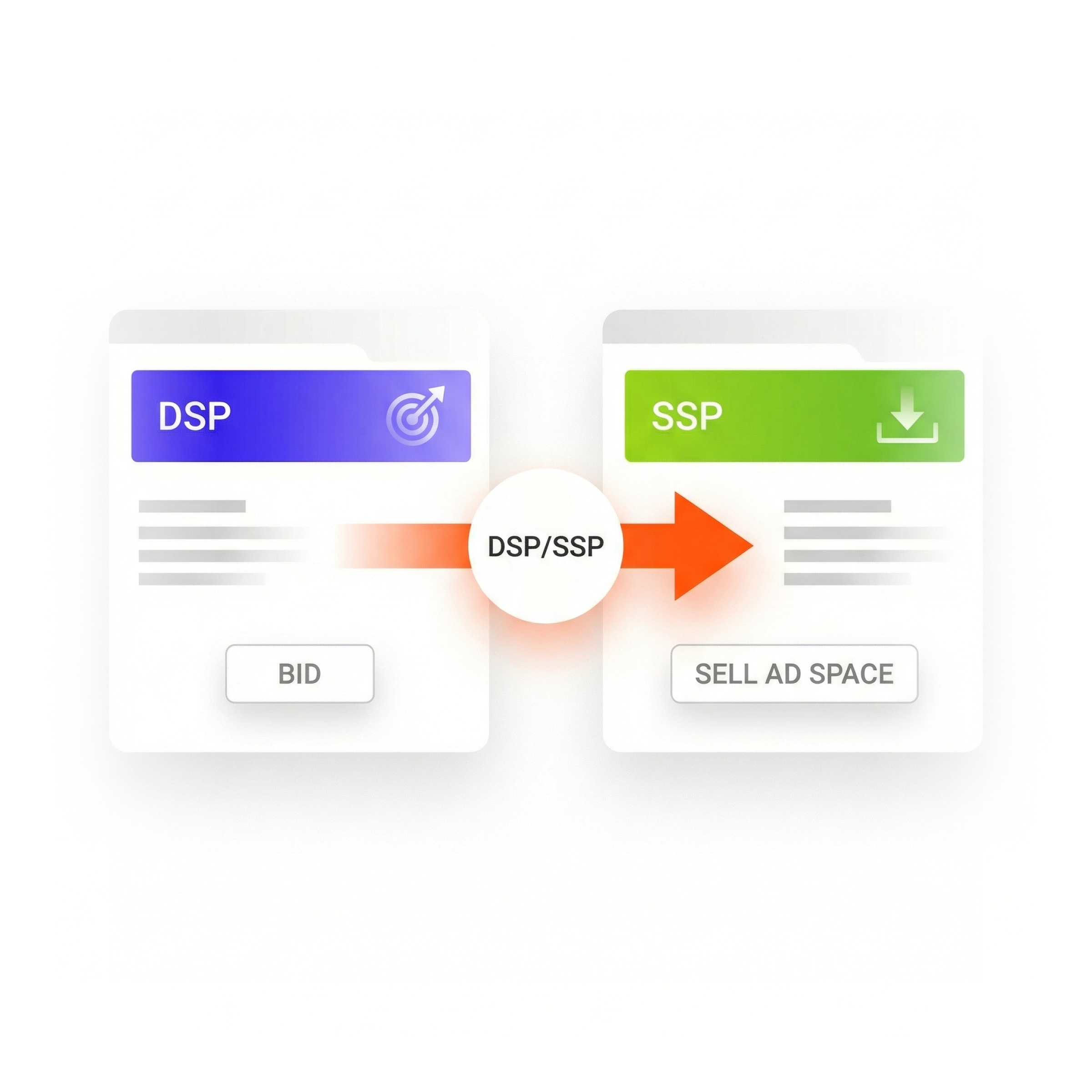
Integration with DSP/SSP

Integration with DSP/SSP

Convenient API for automation

Convenient API for automation

Unlock premium video traffic, advanced targeting, and programmatic scale — everything you need to run and grow video ad campaigns with TrafficStars.

Video Ad Network That Scales: Run, Optimize & Grow with TrafficStars

What Is a Video Ad Network (and Why It Matters in 2026)?

Video now dominates digital advertising. With global digital video ad spend surpassing $200 billion annually and over 80% of consumer internet traffic being video content, understanding how to leverage video ad networks has become essential for publishers seeking monetization and advertisers chasing performance at scale. This guide walks you through everything you need to know about video ad networks—from how they work and what formats they support, to how you can use TrafficStars to run successful video campaigns or monetize your inventory across 200+ GEOs. A video ad network is a technology platform that acts as an intermediary between advertisers and publishers to facilitate the buying and selling of video ad inventory. These networks connect advertisers with publishers to distribute video ads across various digital channels, allowing for efficient monetization of video content while streamlining the buying process for advertisers. Video ad networks streamline the digital marketing ecosystem by automating the connection between advertisers and those who want to buy ad space. Rather than negotiating individually with hundreds of websites and apps, advertisers access aggregated inventory through a single platform. Publishers, meanwhile, gain access to global demand pools they could never reach through direct sales alone. The numbers make the opportunity clear. According to the IAB Revenue Report 2021, digital video advertising has seen the greatest growth, making up over 20% of digital ad spending—a trend that has only accelerated since. Premium video inventory in niches like finance, iGaming, and SaaS routinely commands eCPMs of $9–$20 or higher, significantly outperforming display formats. Here’s what you need to know before diving deeper: Video ad networks aggregate supply from thousands of publishers and match it with advertiser demand in real-time Networks support diverse ad formats, including in-stream and out-stream ads, along with pricing models like CPM, CPC, and CPA A strategically placed video ad can generate between $9 and $20 per 1,000 impressions, depending on factors such as location and niche TrafficStars operates as a self-serve ad network and RTB marketplace providing video ads globally across 200+ GEOs Video ads achieve completion rates up to 3x those of display banners, making them one of the highest-value formats available By 2026, CTV bundles and mobile video are projected to push average eCPMs to $25–$40 in premium segments

How Video Ad Networks Work (vs Ad Exchanges, SSPs and Social Platforms)

The basic operational flow is straightforward: an advertiser uploads creatives and sets targeting parameters, the video ad network matches these to available publisher inventory, and the winning ad delivers to users in real-time. This entire process—from bid request to ad render—typically happens in under 150 milliseconds. Networks collect available video ad space from varied publishers, bundling them together so advertisers don’t have to negotiate with each site individually. Here’s how the key players differ: Video ad networks aggregate demand, package inventory, handle pricing, targeting, and delivery for both sides. They add value through proprietary optimization, fraud detection, and curated inventory packaging. TrafficStars, for example, combines direct network demand with RTB connections to maximize fill-rate and price for each impression. Supply-Side Platforms (SSPs) are publisher-centric tools that expose inventory to multiple exchanges and networks simultaneously. A publisher might use an SSP like Magnite or PubMatic to connect to TrafficStars or other demand sources without direct negotiation. Ad exchanges (like OpenRTB marketplaces) function as neutral auction infrastructure—similar to stock exchanges where DSPs bid programmatically in milliseconds. Unlike pure exchanges, video ad networks like TrafficStars add optimization layers, fraud control, and service support. Social platforms (YouTube, TikTok, Meta) operate as walled gardens with their own inventory and restrictive rules on creatives, data access, and verticals. Video ad networks counter this by spanning thousands of independent sites and apps—advertisers report 20–50% audience expansion beyond social via networks. The hybrid approach: TrafficStars enhances the ecosystem by hybridizing direct buy demand alongside RTB connections, boosting publisher fill rates by 10–30% over pure exchange reliance. Types of Video Ads and Formats You Can Run Understanding the distinction between in-stream and out-stream video ads is fundamental to both monetization strategy and campaign performance. Each format serves different purposes, with varying engagement levels and eCPM potential. Video ads are categorized into two main types: in-stream ads, which play within a video player, and outstream ads, which autoplay in a webpage as users scroll, providing flexibility for publishers to monetize their content. In-Stream Formats: In-stream video ads are placed within existing video content, allowing advertisers to reach viewers in a relevant context. Pre-roll ads play before a video (capturing 70–90% view-through rates), mid-roll interrupts at natural breaks in longer content, and post-roll appears after content concludes. These formats mimic traditional TV advertising but benefit from skippable options after 5 seconds to preserve user experience. Out-Stream Formats: Outstream video ads can be displayed outside of video players, such as within articles or feeds, making them versatile for publishers without video content. Formats include in-article players, in-feed scrolls, sticky bottom players, and slider overlays. Out-stream video ads comprise 60%+ of programmatic video volume by 2025, prioritizing non-intrusive revenue on text-heavy pages. Mobile-Specific Formats: Mobile video ads can appear in various formats, including pre-roll (before a video), mid-roll (during a video), and post-roll (after a video), as well as in non-traditional placements like blog posts or websites. Vertical video (9:16 aspect ratio) achieves 2x higher CTRs, while rewarded video in mobile apps can reach conversion rates up to 10x standard formats. 86% of businesses use video mobile advertising as part of their strategies, showing a growth of over 30% since 2016. TrafficStars Supported Formats: Video pre-roll, in-stream, interstitial, and in-page/out-stream—plus complementary formats like banner, native, push, popunder, and interstitial for full-funnel campaign building.

Why Use a Video Ad Network: Benefits for Publishers and Advertisers

The value proposition of video ad networks is clear: publishers get better monetization, while advertisers get performance at scale. Both sides benefit from efficiency that is difficult to achieve through direct deals alone.

Video ad networks help businesses promote products through engaging video content across multiple devices. The engagement advantage is strong: users remember up to 95% of a message delivered via video, compared to just 10% for text.

For Publishers

  • Higher CPMs compared to display — typically 2–3x higher.
  • Access to global demand that may be unavailable through direct sales.
  • Improved fill rates through out-stream placements on non-video sites.
  • Tools for targeting, optimization, and performance tracking.

For Advertisers

  • Access to broad and diverse inventory across multiple sites.
  • Reach beyond major walled gardens and closed platforms.
  • Granular targeting by GEO, device, OS, browser, and carrier.
  • Higher conversion potential through engaging video content.

Platform Convenience

  • Self-serve dashboards remove the need for manual negotiations.
  • Real-time statistics help optimize campaigns faster.
  • Frequency capping reduces ad fatigue and improves ROAS.

Programmatic Efficiency

  • RTB auctions select the best bid for each impression in milliseconds.
  • Detailed analytics show views, clicks, CTR, and performance trends.
  • Automated optimization helps advertisers scale campaigns more efficiently.

By consolidating inventory from many publishers, video ad networks give advertisers greater reach and help publishers monetize traffic more effectively. This makes them essential infrastructure for modern digital advertising.

How Much Do Video Ads Pay in 2024–2026?

Revenue from video advertising depends on GEO, device, format, vertical, and traffic quality. There is no single fixed rate, so publishers and advertisers should evaluate performance based on audience value and campaign goals.

On average, publishers may earn between $1 and $6 per 1,000 video views, while premium niches such as finance, B2B, or high-intent verticals can generate significantly higher eCPMs.

eCPM Ranges by GEO Tier

GEO Tier Typical Content eCPM Range
Tier-1 (US, UK, DE, CA) Premium finance / B2B $20–$50+
Tier-2 (LATAM, Eastern EU) General content $5–$15
Tier-3 (SEA, Africa) Volume traffic $1–$6

Common Pricing Models

  • CPM: paid per 1,000 impressions, often preferred by publishers with strong traffic volume.
  • CPC: click-based pricing, useful when advertisers focus on traffic and engagement.
  • CPA: conversion-based pricing, commonly used by affiliates and performance marketers.
  • Hybrid models: options like oCPC help optimize clicks while staying aligned with conversion goals.

High-Performance Formats

Rewarded video, interstitial video, and premium in-stream placements often command higher eCPMs because they capture stronger attention and user intent. Mobile video formats can also improve conversion efficiency when campaigns are optimized for placement, timing, and creative quality.

How TrafficStars Helps

TrafficStars supports CPM, CPC, and CPA models across 200+ GEOs, helping advertisers scale video campaigns based on their KPIs. This flexibility allows media buyers to test different pricing models, optimize traffic sources, and grow campaigns with better control over performance.

Key Technologies Behind Video Ad Networks (VAST, VPAID, SIMID, OMID, MRAID)

Robust tech standards make cross-device video ads work consistently and measurably. Understanding these protocols helps publishers integrate smoothly and advertisers ensure their creatives render correctly everywhere. The Video Ad Serving Template (VAST) is a protocol that facilitates the delivery of video ads by organizing ad tags and ensuring they load correctly in video players. Developed by the IAB Tech Lab, VAST has been the backbone of programmatic video since 2008. VAST: 90%+ of video campaigns rely on VAST tags. Version 4.3 supports linear and non-linear ads up to 30MB, QR code support for CTV scans, and SSL enforcement. It’s the XML standard that defines ad calls, tracking, and playback instructions. VPAID: An older interactive layer on top of VAST enabling overlays and buttons. While it allows rich interactivity, VPAID suffers from 2–5x longer load times and security vulnerabilities that have prompted industry phase-out in favor of lighter alternatives. SIMID: The Secure Interactive Media Interface Definition upgrades interactivity with encrypted calls, addressing VPAID’s security concerns while maintaining creative flexibility. OMID: The Open Measurement SDK standardizes viewability and fraud measurement across apps and web. Mandated by 70% of premium buyers who require 70%+ viewable thresholds, OMID is now essential for premium inventory. MRAID: Mobile Rich Media Ad Interface Definitions power in-app video via SDKs, handling gestures, orientation, and rewarded formats. Critical for publishers monetizing via SDK-based mobile inventory. TrafficStars supports industry-standard protocols like VAST and OpenRTB, integrating with major ad servers and players (JW Player, Brightcove) for easy technical onboarding.

Programmatic Buying, RTB and Optimization in Video Ad Networks

Programmatic video advertising automates the buying and selling of video impressions using software instead of manual negotiations. Real-Time Bidding (RTB) enables advertisers to bid on impressions instantly, optimizing placements and improving efficiency.

When a user visits a publisher’s site, the ad server evaluates available campaigns and matches the best ad to the slot in real time. This process includes bid requests with user signals (device, GEO, behavior), DSP responses within milliseconds, and ad delivery via VAST.

Auction Mechanics

  • Second-price auctions: the highest bidder wins but pays slightly above the second-highest bid, helping reduce overbidding.
  • First-price auctions: advertisers pay exactly what they bid, requiring smarter bid strategies and optimization.
  • Floor prices: minimum bid thresholds set by publishers to balance revenue and fill rates.

Optimization Features

  • Automatic bid adjustments based on CPA or CPC goals.
  • Frequency capping to limit ad exposure and reduce fatigue.
  • Dayparting to focus budgets on high-performing hours.
  • Blacklists and whitelists for traffic quality control.
  • Creative rotation to maintain engagement and performance.

Many modern video ad networks use AI and machine learning to optimize bidding, targeting, and placements in real time, helping advertisers achieve better results with less manual work.

Real-World Example

An iGaming affiliate running Tier-1 video campaigns through TrafficStars identified that a small percentage of traffic sources generated the majority of conversions. By pausing underperforming zones and reallocating budget to top-performing ones, they significantly improved ROI within a short period through continuous testing and optimization.

Targeting Options in Modern Video Ad Networks

Precise targeting is one of the main reasons advertisers invest heavily in video today. Delivering the right message to the right audience at the right time turns video from a branding tool into a high-performance acquisition channel.

Video ad networks enable advanced targeting based on demographics, behavior, device, and context. Inventory is categorized by audience characteristics, location, and content type, allowing campaigns to reach highly relevant users.

Core Targeting Layers

  • Geographic: country, city, region, and IP-based location.
  • Device: mobile or desktop, OS (iOS/Android), carrier, and connection type.
  • Temporal: hour of day, day of week, and timezone-based scheduling.
  • Browser & Language: user preferences for better localization.

Contextual Targeting

  • Placement based on page content, categories, and keywords.
  • Uses NLP and semantic analysis to match ads with relevant content.
  • Becomes more important as privacy restrictions limit user tracking.

Audience Targeting

  • Retargeting users through pixel-based tracking.
  • Lookalike audiences built from existing user data.
  • Interest-based segments using privacy-compliant datasets.

Creative-Level Targeting

  • Different video lengths depending on placement (e.g., 15s vs 30s).
  • Localized creatives for different GEOs and languages.
  • Custom CTAs tailored to specific audience segments.

TrafficStars provides granular targeting down to site and zone level, including whitelists and blacklists. This level of control allows advertisers to fine-tune campaigns, improve traffic quality, and scale performance across multiple verticals.

Fraud Detection, Brand Safety and Viewability

Higher CPMs often attract more fraud, making video inventory a key target for invalid traffic. Understanding these risks and applying the right protections is essential to maintain campaign performance and brand safety.

Common Fraud Types

  • Bots: automated traffic generating a significant share of invalid impressions.
  • Domain spoofing: fake sites posing as premium publishers.
  • Stacked ads: multiple hidden ads triggering false impressions.
  • Auto-refresh: artificial view inflation through rapid page reloads.

Brand Safety Concerns

  • Ads appearing next to inappropriate or harmful content.
  • Misleading placements that damage brand trust.
  • Low viewability impressions that reduce campaign effectiveness.

Standard Protections

  • Pre-bid filtering using IP analysis and fraud detection systems.
  • Post-bid verification through industry tools and standards.
  • Viewability measurement based on accepted benchmarks.
  • Use of certified partners and trusted inventory sources.
  • Third-party verification tools for additional transparency.

TrafficStars applies proprietary traffic scoring and works with vetted publishers to ensure higher traffic quality. Advertisers can whitelist or blacklist specific placements, while publishers gain access to detailed performance and viewability insights.

Regular audits of campaigns and traffic sources help identify low-quality zones early. Blocking underperforming or suspicious traffic can significantly improve overall ROI and campaign stability.

Choosing the Best Video Ad Network for Your Business

There is no single “best” video ad network—choosing the right one depends on your vertical, GEOs, traffic type, and performance goals. A structured evaluation process helps identify platforms that match your needs.

Evaluation Criteria for Publishers

  • Average eCPMs by GEO (Tier-1 markets typically generate higher returns).
  • Diversity and quality of demand sources.
  • Payment terms (e.g., NET30) and minimum payout thresholds.
  • Technical support responsiveness and reliability.
  • Fill-rate performance (aim for consistently high coverage).
  • Compatibility with CMS and ad server infrastructure.

Evaluation Criteria for Advertisers

  • Audience reach and available inventory across key GEOs.
  • Supported verticals, including flexibility for niche or restricted segments.
  • Targeting capabilities and optimization tools.
  • Reporting transparency and access to real-time analytics or APIs.

Fraud and Compliance Checks

  • Understand the platform’s fraud detection and prevention systems.
  • Verify brand safety controls and content filtering options.
  • Check compliance with industry standards and regulations.
  • Ensure adherence to data privacy laws such as GDPR and CCPA.

Test-and-Scale Approach

Start with a controlled test budget and limited placements over 1–2 weeks. Analyze key metrics such as CTR, CPA, and retention before scaling. Increase budgets gradually on top-performing segments to maximize ROI.

TrafficStars is a strong option for advertisers and publishers looking for global reach, multiple ad formats, and full control through a self-serve platform. Its flexibility across various verticals makes it particularly useful for performance-driven campaigns.

How Publishers Can Monetize Video Inventory with TrafficStars

TrafficStars works with medium and large publishers looking to monetize video traffic, including those operating in mainstream, restricted, and adult verticals. The platform focuses on maximizing revenue through diversified demand and easy integration.

Video ad networks simplify monetization by handling demand sourcing, pricing, and delivery, allowing publishers to focus on content while optimizing ad performance through built-in tools.

Integration Options

  • VAST tags: direct integration with video players.
  • JavaScript tags: for out-stream video placements.
  • Header bidding: increases competition and maximizes revenue.
  • RTB marketplace: access to global programmatic demand.

Recommended Placements

  • In-stream pre-roll: highest eCPM on existing video players.
  • Out-stream: ideal for article-based and text-heavy sites.
  • Sticky mobile players: improved viewability and engagement.
  • Interstitial video: effective between app or page transitions.

UX Guidelines

  • Limit to 2–3 video ad units per page.
  • Use muted autoplay to maintain user experience.
  • Apply frequency caps to reduce ad fatigue.

Hybrid Monetization

TrafficStars supports multiple ad formats beyond video, including banners, native ads, push notifications, popunders, and interstitials. This allows publishers to test hybrid strategies and maximize overall RPM.

Reporting Tools

Real-time reporting provides insights by GEO, device, format, and placement. Publishers can track RPM and continuously optimize inventory performance using detailed analytics.

Case Example

A mid-sized content publisher implemented out-stream video placements within article pages using TrafficStars. Without producing original video content, they increased overall RPM significantly while maintaining a stable user experience.

How Advertisers and Affiliates Can Run Video Campaigns on TrafficStars

For media buyers, brands, and affiliate marketers looking for scalable and trackable video traffic, TrafficStars provides a self-serve platform with global reach and performance-driven optimization tools.

Campaign Setup Process

  • Create an account and complete verification.
  • Fund your account via card, wire transfer, or cryptocurrency.
  • Select a video format (pre-roll, in-stream, interstitial, out-stream).
  • Define targeting: GEO, device, OS, and audience parameters.
  • Choose a pricing model (CPM, CPC, or CPA) based on your KPIs.

Creative Best Practices

  • Keep videos between 10–30 seconds (shorter for mobile traffic).
  • Capture attention within the first 3 seconds.
  • Use a clear and focused CTA.
  • Design for sound-off viewing with subtitles and bold visuals.
  • Ensure proper framing for different screen sizes.

Technical specs: H.264 codec, 1080p resolution, optimized bitrate, and lightweight file size for fast loading across devices.

Tracking Integration

TrafficStars supports postback tracking and integrates with platforms like Binom, Voluum, and RedTrack, enabling accurate conversion tracking and campaign attribution.

Optimization Features

  • Bid adjustments based on zone-level performance.
  • Automated rules to pause underperforming traffic.
  • A/B testing with creative rotation.
  • Conversion-focused bidding strategies.

Scaling Strategy

Start with test budgets and run campaigns long enough to gather meaningful data. Scale high-performing segments gradually while monitoring CPA, ROI, and overall campaign efficiency through TrafficStars dashboards.

Best Practices for Video Creatives and User Experience

Even the best video ad network cannot compensate for weak creatives or intrusive placements. Successful video advertising depends on both strong messaging and a smooth user experience.

Storyboard and Messaging

  • Focus on one clear value proposition per video.
  • Use a single, strong CTA to avoid confusion.
  • Introduce branding within the first few seconds.
  • Keep total length between 15–30 seconds for most placements.
  • Use a simple problem–solution narrative structure.

Designing for Sound-Off

  • Add subtitles for all spoken content.
  • Use bold text overlays to highlight key messages.
  • Ensure visuals alone communicate the message.
  • Apply high-contrast visuals for mobile visibility.

Technical Specifications

  • Resolution: 1920x1080 (16:9) or 1080x1920 (9:16).
  • File size: keep under 30MB for faster loading.
  • Codec: H.264 for compatibility across platforms.
  • Bitrate: optimized for quality and performance.

Publisher UX Guidelines

  • Apply frequency caps to limit repeated exposure.
  • Avoid too many video placements on one page.
  • Use sticky players carefully with easy close options.
  • Disable autoplay with sound to protect user experience.

Continuous Testing

Rotate multiple creatives within each campaign and monitor performance regularly. Replace underperforming ads to maintain engagement and prevent creative fatigue. Consistent testing and iteration are key to long-term video ad performance.

Global Reach, Verticals and Compliance Considerations

TrafficStars operates across 200+ countries and multiple verticals, making GEO selection and regulatory compliance essential for both publishers and advertisers.

GEO Strategy

  • Tier-1 (US, UK, CA, DE): high eCPMs with strong competition.
  • Tier-2 (LATAM, Eastern Europe): balanced volume and cost efficiency.
  • Tier-3 (SEA, Africa): large-scale traffic with lower CPMs.

Vertical Strength

TrafficStars supports a wide range of performance-driven verticals, including iGaming, VPN, utilities, dating, and other niche or restricted categories, alongside mainstream campaigns. This flexibility helps advertisers reach audiences that may be difficult to access through traditional platforms.

Privacy and Regulatory Requirements

  • Compliance with GDPR in the EU through consent management solutions.
  • Adherence to CCPA/CPRA requirements for data transparency and opt-out options.
  • Proper handling of data when using third-party tracking tools.

Compliance Best Practices

Both advertisers and publishers should ensure that creatives and landing pages comply with local laws and platform policies. This is especially important in regulated or sensitive verticals where violations can impact campaign performance or account status.

Age-Gating and Restricted Content

For restricted inventory, appropriate age verification and content controls should be in place. TrafficStars provides tools and guidelines to help ensure campaigns meet legal requirements while maintaining access to relevant audiences.

What’s Next: Getting Started with a Video Ad Network

Video is now the dominant format in digital advertising, and video ad networks have become essential infrastructure for both monetization and user acquisition. Choosing a platform with strong technology, transparency, and fraud protection is key to long-term success.

Action Plan for Publishers

  • Audit your current inventory and identify video placement opportunities.
  • Decide between in-stream (video content) or out-stream (text-based sites).
  • Integrate TrafficStars via VAST or JavaScript tags.
  • Track RPM over 2–4 weeks and optimize based on performance data.

Action Plan for Advertisers

  • Define KPIs such as CPM, CPA, and ROAS.
  • Prepare 2–3 video creatives following best practices.
  • Launch test campaigns across selected GEOs.
  • Optimize quickly—scale winners and pause underperforming segments.

TrafficStars Support

TrafficStars provides a self-serve platform with onboarding guides and documentation. For advanced needs, the support team assists with integrations, campaign optimization, and tailored growth strategies for both publishers and advertisers.

Next Steps

  • Create a TrafficStars account to start monetizing or advertising.
  • Request a demo to explore targeting and optimization features.
  • Contact the team for a custom video strategy consultation.

Video advertising continues to drive significant growth in digital marketing. With global reach, multiple formats, and full control through a self-serve platform, TrafficStars helps publishers and advertisers unlock scalable performance and long-term results.

Why TrafficStars?
Your Path to Advertising Success
Creating a campaign

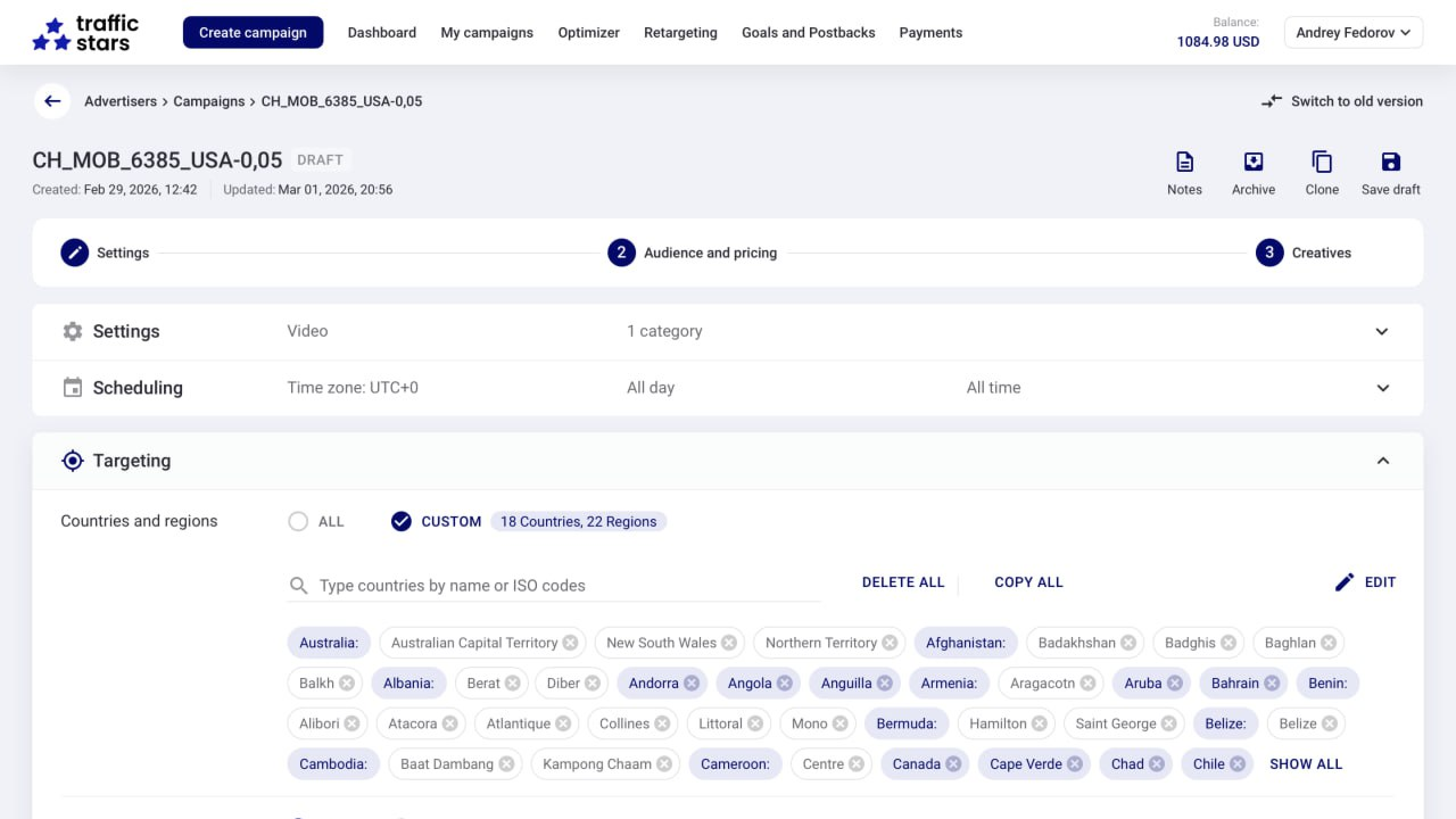
Setting up targeting

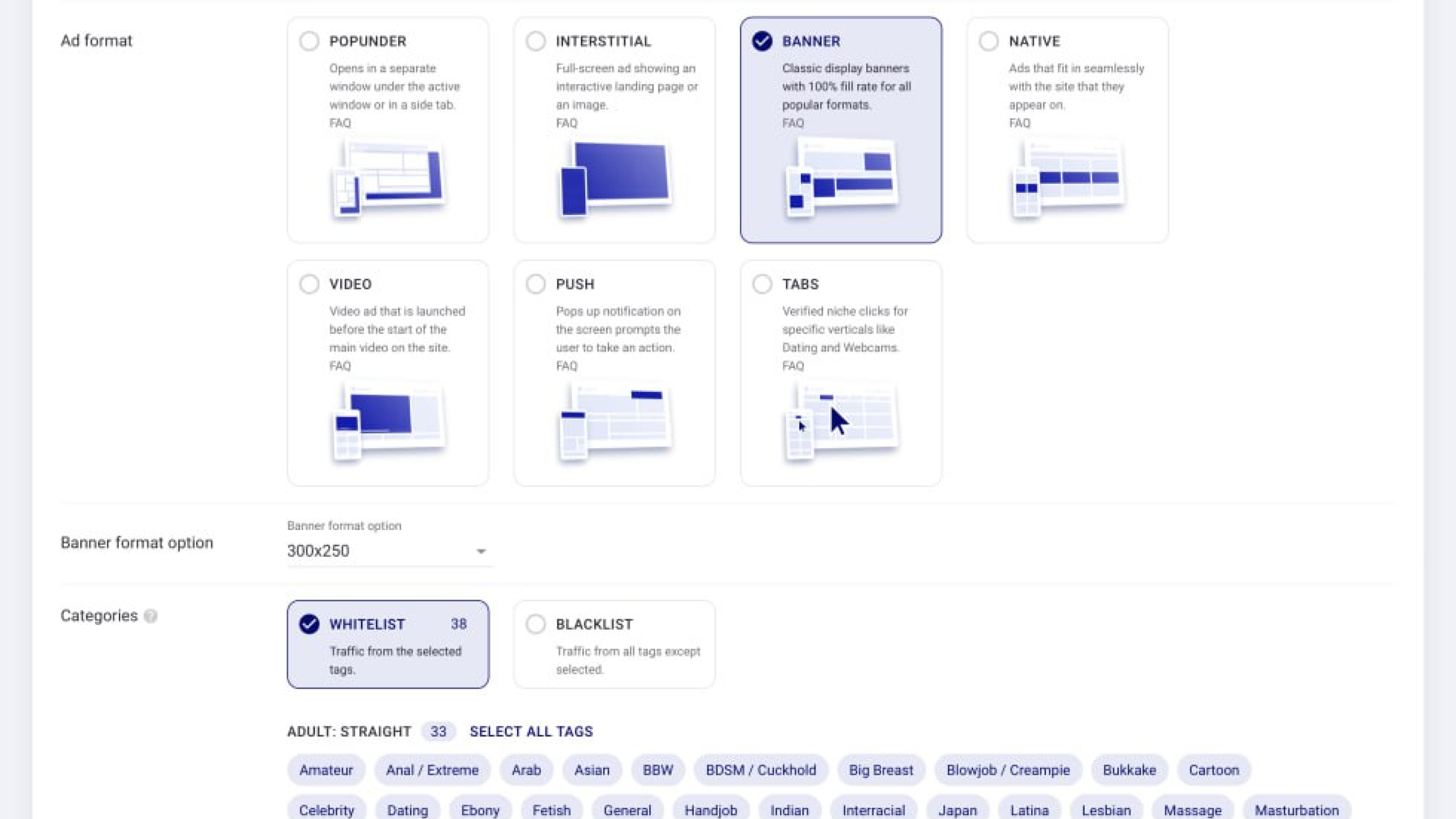
Choosing an ad format

Bid optimization. Tools for advertisers

  • Auto-optimization of bids
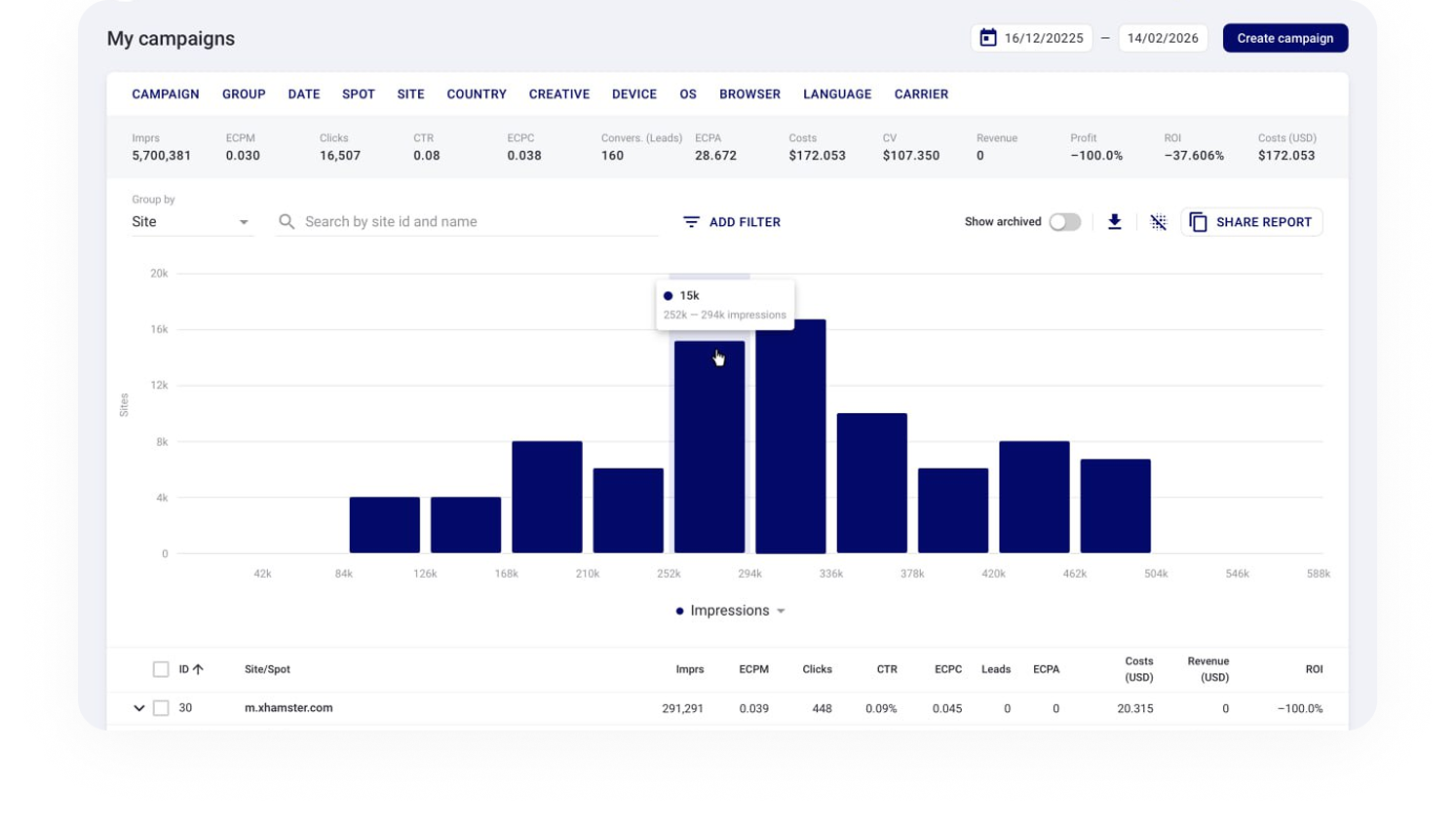
  • Real data on CTR, conversions, and ROI
  • Anti-fraud system

Advantages of media buying with TrafficStars

  • 100% inventory fill rate (flat deals)
  • Transparent analytics system
  • High ROI thanks to precise targeting
✦ Adverts Top performing Ad formats Buy and sell worldwide premium traffic in just a few clicks. Our platform is easy-to-use for both beginners and expert media buyers.
TrafficStars Advantages
TrafficStars is a powerful, self-serve Ad Network and Ad Exchange

Flexible targeting

Target audiences across 190+ countries with precise filters by geo, device, browser, and time zones

Transparency and analytics

Real-time performance tracking ensures you're always in control of your campaigns

Process automation

Streamlined campaign setup and optimization tools reduce manual work and maximize efficiency

Expert support

Our dedicated account managers help fine-tune your campaigns for maximum impact

Easy integration

Effortlessly integrate TrafficStars and start monetizing your inventory in minutes

High CPM and fill rates

100% inventory fill rates and competitive CPMs ensure maximum revenue

Support and recommendations

We help optimize ad placements to increase reach and conversion without unnecessary costs

TrafficStars Partners
Trusted by Industry Leaders
Transparency and Quality
How We Ensure Quality Traffic
01

Anti-fraud system

Anti-fraud system illustration
02

Transparent traffic reports

Transparent traffic reports illustration
03

Quality monitoring tools

Quality monitoring tools illustration
Industry Solutions
Maximize Your Gambling Campaigns with Precision Targeting

Attract new players and increase organic growth with precision targeting and Pixel to analyze user behavior

Pixel to increase organic growth and re-engagement
Precision targeting for conversion to registration
High CTR through native and banner formats
Geotargeting is event-based
Inventory fill rates is high
Quick launch with automation
Adaptation for mobile and desktop
Native advertising for high engagement
App advertising through in-stream video
Promotion of new games with high return on investment
Technologies and Security
Advanced Technologies Ensuring Maximum Security and Performance

TrafficStars combines cutting-edge technologies and robust security measures to protect advertisers and ensure seamless campaign performance

Performance and Scalability

Scalable architecture to handle billions of requests per day

99.99% uptime for uninterrupted ad delivery
Fraud Prevention

Advanced anti-fraud systems ensure the highest traffic quality

Bot blocking Fraudulent click filtering
Real-Time Analytics

Instant access to data for campaign monitoring

Data Privacy

Strict compliance with GDPR and other global standards

Bid automation and optimization
Easy management of your budget
API integration for large advertisers
Media Buying Process
Experience Seamless Campaign Management with TrafficStars

Discover how easy it is to launch and optimize campaigns with our user-friendly dashboard and powerful targeting tools
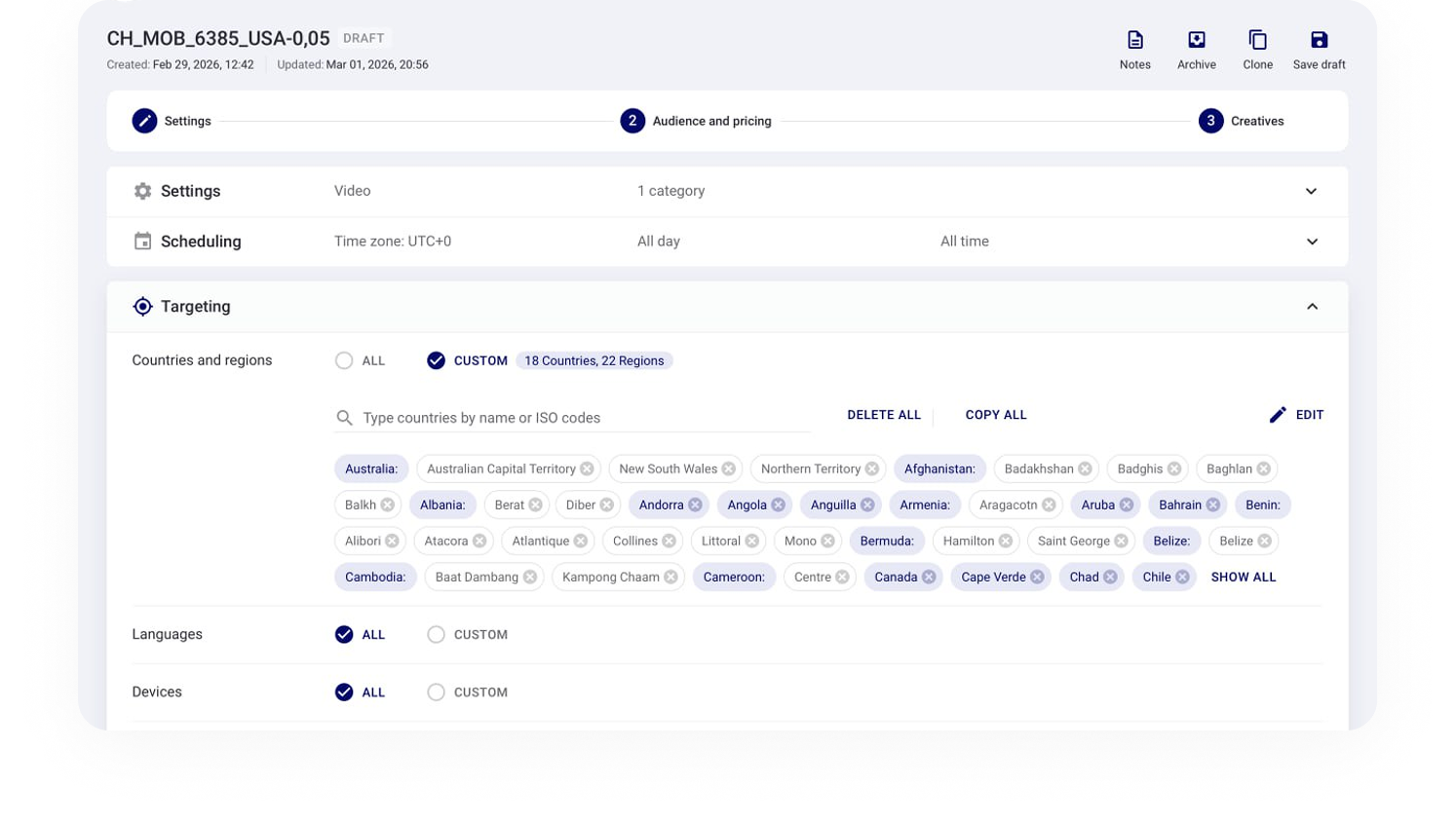
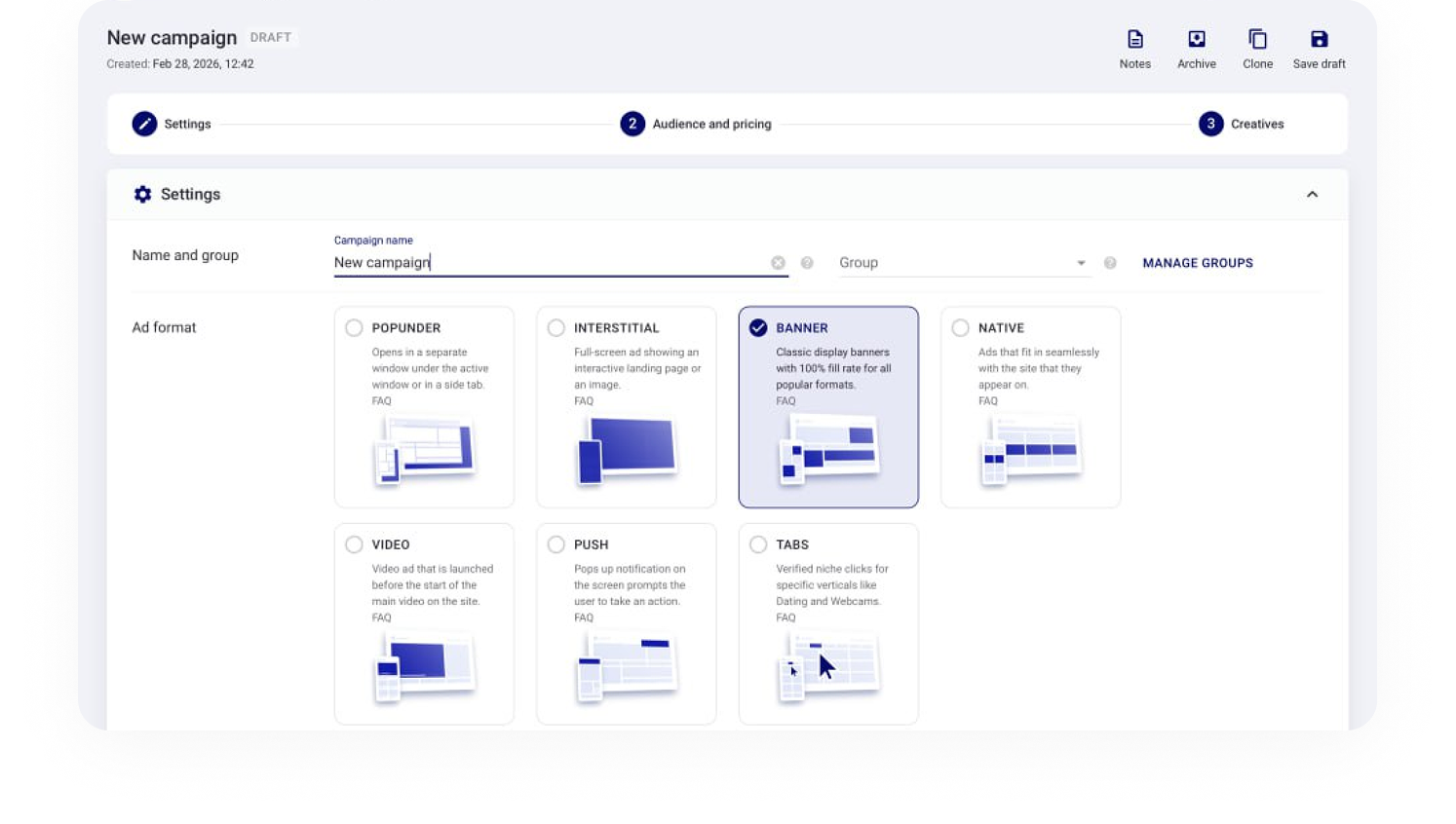
Step 1 Campaign Creation

Set up your campaign in minutes by selecting your targeting options and ad formats

Step 2 Ad Format Selection

Choose from high-performing ad formats: banners, native ads, videos, or pop-unders

Step 3 Real-Time Analytics

Monitor campaign performance with detailed real-time dashboards for CTR, ROI, and conversions

FAQ

Advertisers create an account, define KPIs, upload video creatives, choose targeting settings, and launch campaigns. Performance can be optimized quickly using real-time data and testing.

Publishers can start by integrating TrafficStars using VAST or JavaScript tags, adding in-stream or out-stream placements, and optimizing performance based on RPM data over time.

TrafficStars combines global reach, multiple ad formats, programmatic buying, and advanced targeting. This allows advertisers and publishers to scale campaigns efficiently.

Yes, TrafficStars offers onboarding guides, documentation, and support assistance. The team can help with technical integration, campaign optimization, and custom strategies.

Start with test campaigns, analyze performance metrics, and gradually increase budgets on high-performing segments. Continuous optimization and creative testing are key to scaling successfully.