
Scale Smarter with a Top Global Advertising Platform
Buy high-converting traffic and optimize campaigns with TrafficStars
Get started
Video Pre-Roll
Video IM slider
Banners
Native
Native
Full Page Interstitial
Popunder
Push
Video Pre-Roll
Video IM slider
Banners
Native
Push
Popunder
Full Page Interstitial
Check out minimum bids
for various CPM ad formats Check out minimum
bids for various CPM
ad formats
for various CPM ad formats Check out minimum
bids for various CPM
ad formats
Get traffic at the best rates.
Here are the minimum bids. An effective CPM/CPC depends on the competition and your targeting options. Start creating an ad campaign to check the recommended bid.
| Tier1 | Tier2 | Tier3 | |
|---|---|---|---|
| Popunder | $0.5 | $0.16 | $0.1 |
| Video | $0.3 | $0.1 | $0.08 |
| Native | $0.01 | $0.003 | $0.001 |
| Banner | $0.01 | $0.004 | $0.002 |
| Interstitial | $0.04 | $0.2 | $0.1 |
| Push | $0.01 | $0.003 | $0.001 |
Why TrafficStars?
TrafficStars is a powerful, self-serve Ad Network and Ad Exchange.
 User-friendly interface
Our intuitive platform will make media buying easy for you, whether you’re a beginner or an expert
User-friendly interface
Our intuitive platform will make media buying easy for you, whether you’re a beginner or an expert
 Real-time statistics
Detailed, real-time statistics provide you with insights to optimize campaigns
Real-time statistics
Detailed, real-time statistics provide you with insights to optimize campaigns
 Extensive targeting
Target users by Country, Site, Language, Category, OS, Device, Browser, Carrier and IP Range
Extensive targeting
Target users by Country, Site, Language, Category, OS, Device, Browser, Carrier and IP Range
Extensive targeting
Target users by Country, Site, Language, Category, OS, Device, Browser, Carrier and IP Range
Extensive targeting
Target users by Country, Site, Language, Category, OS, Device, Browser, Carrier and IP Range
 Track conversions and ROI
Reach your sales objectives by using our platform’s complete tracking capabilities
Track conversions and ROI
Reach your sales objectives by using our platform’s complete tracking capabilities
 Most efficient retargeting
Don’t lose opportunities and retarget leads with our powerful platform
Most efficient retargeting
Don’t lose opportunities and retarget leads with our powerful platform
 CPM, CPC, CPMV and DCPM
Select the most appropriate pricing model for your campaigns
CPM, CPC, CPMV and DCPM
Select the most appropriate pricing model for your campaigns
 Exclusive traffic sources
Traffic sources that will convert are only one click away
Exclusive traffic sources
Traffic sources that will convert are only one click away
 Expert support
You will have a personal account manager to help you take advantage of all the features of our platform
Expert support
You will have a personal account manager to help you take advantage of all the features of our platform
 Real-time bidding system
Get access to billions of daily impressions by choosing your bid according to each placement and targeting
Real-time bidding system
Get access to billions of daily impressions by choosing your bid according to each placement and targeting
 Automatic Payouts
Select the payment method that suits you – we will process it automatically
Real-time statistics
Detailed, real-time statistics provide you with insights to optimize campaigns
Automatic Payouts
Select the payment method that suits you – we will process it automatically
Real-time statistics
Detailed, real-time statistics provide you with insights to optimize campaigns
 Compliant Ads
Have control over running Google compliant ads via compliant ad formats
Compliant Ads
Have control over running Google compliant ads via compliant ad formats
Compliant Ads
Have control over running Google compliant ads via compliant ad formats
Compliant Ads
Have control over running Google compliant ads via compliant ad formats
 Security
Our compliance team ensures your site safety 24/7
Expert support
You will have a personal account manager to help you take advantage of all the features of our platform
Security
Our compliance team ensures your site safety 24/7
Expert support
You will have a personal account manager to help you take advantage of all the features of our platform
 100% Fill Rate
All your traffic will be monetized, worldwide
100% Fill Rate
All your traffic will be monetized, worldwide
Top verticals🔥
Webcam
📹
Dating
❤️
Games
🎮
Video-on-demand
🎞
Nutra
💊
eCommerce
🛒
Betting
⚽️
Igaming
🎲
Webcam
📹
Dating
❤️
Games
🎮
Video-on-demand
🎞
Nutra
💊
eCommerce
🛒
Betting
⚽️
Igaming
🎲
Ad Formats
Promote your offers through our high-performing ad formats.
Video
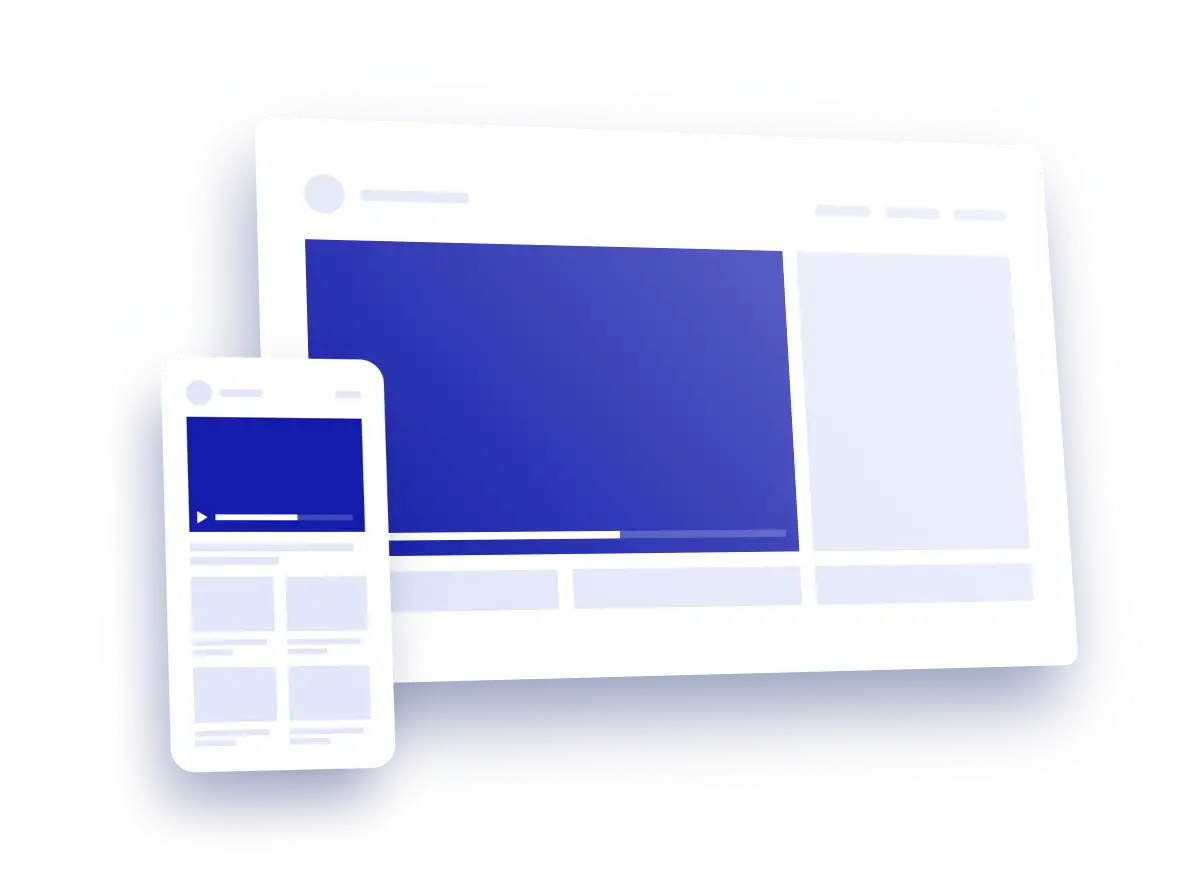
Video
Video ads are the most effective format for increasing brand awareness.
💡 Start with a Pre-Roll format to maximize results
Banner
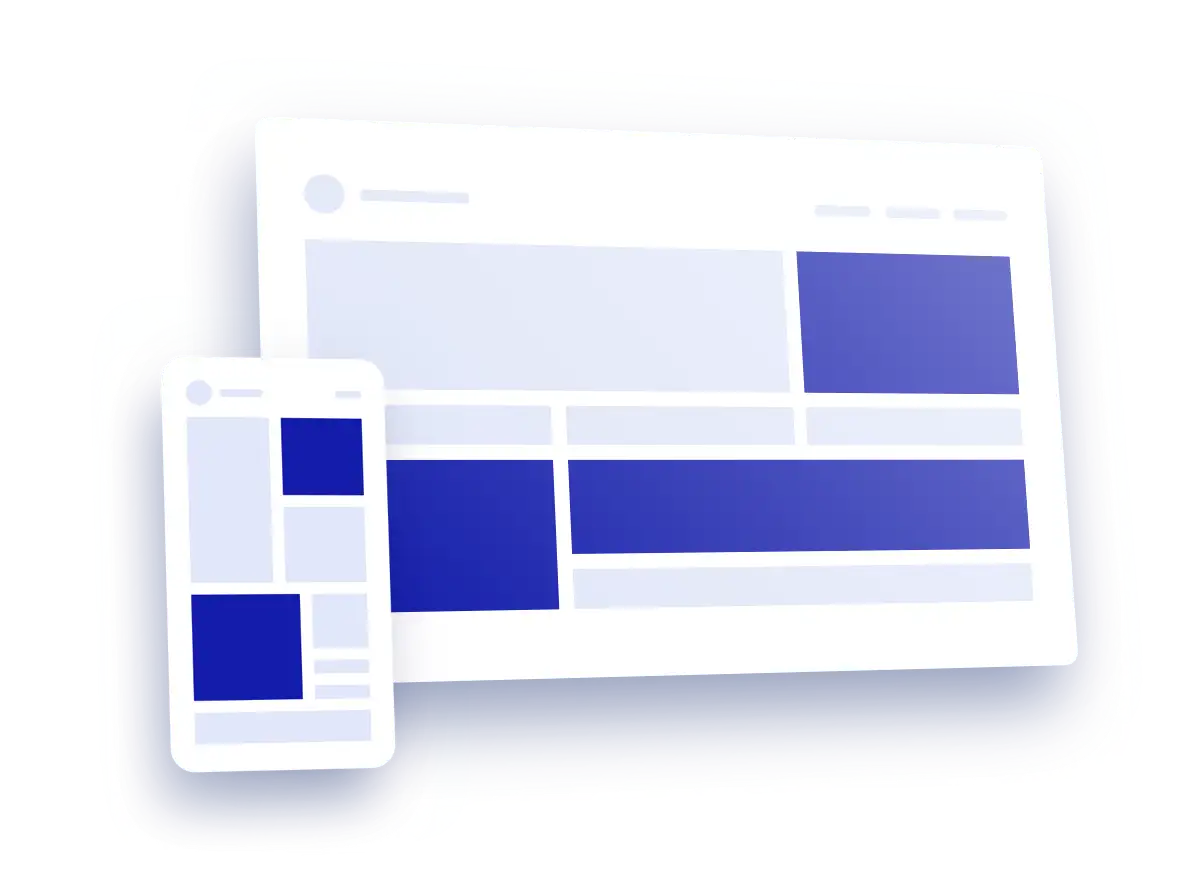
Banner
Widespread availability and compatibility with various websites.
💡 Use video banner ads to increase CTR
Native
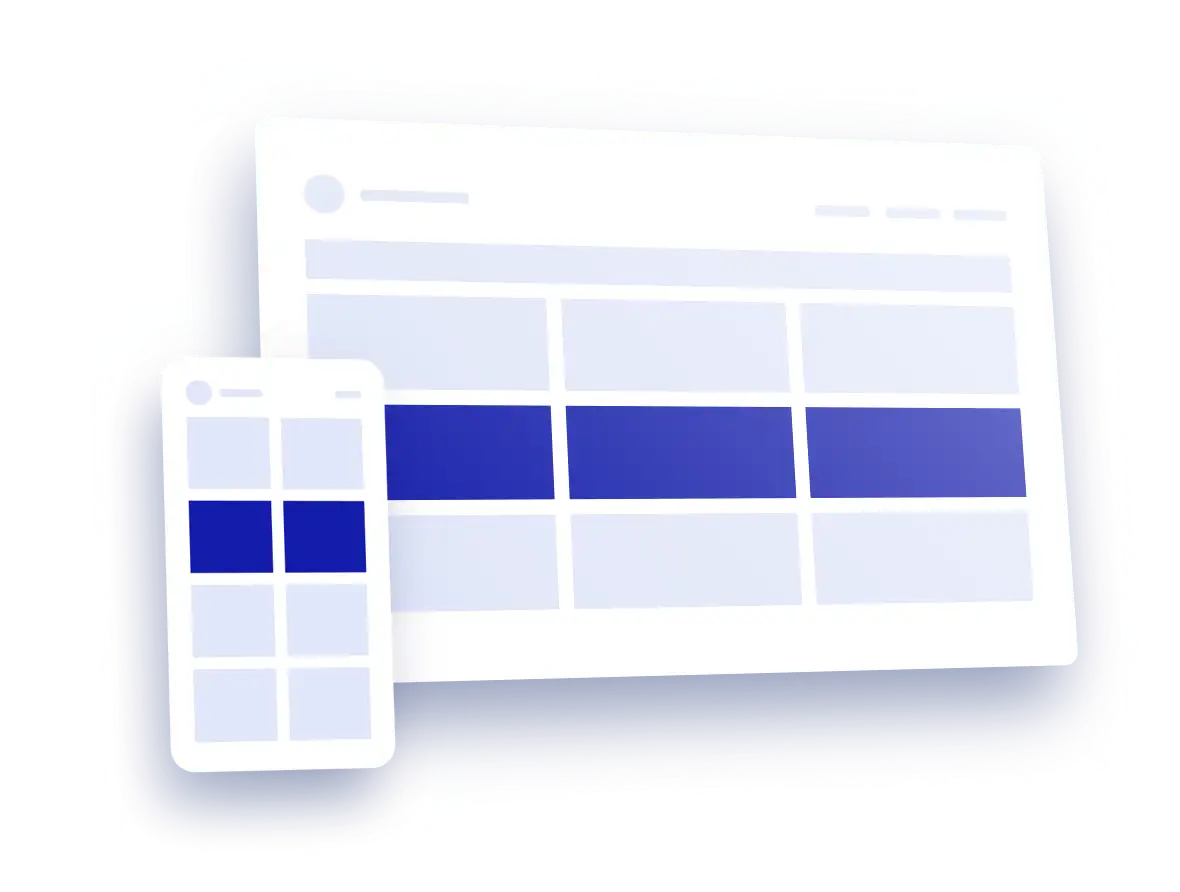
Native
Non-obtrusive and cost-effective ad format
💡 Craft captivating headlines to grab attention.
Interstitial

Interstitial
Capture attention at key moments and drive immediate actions.
💡 Full-screen interstitials ensure 100% visibility
Popunder
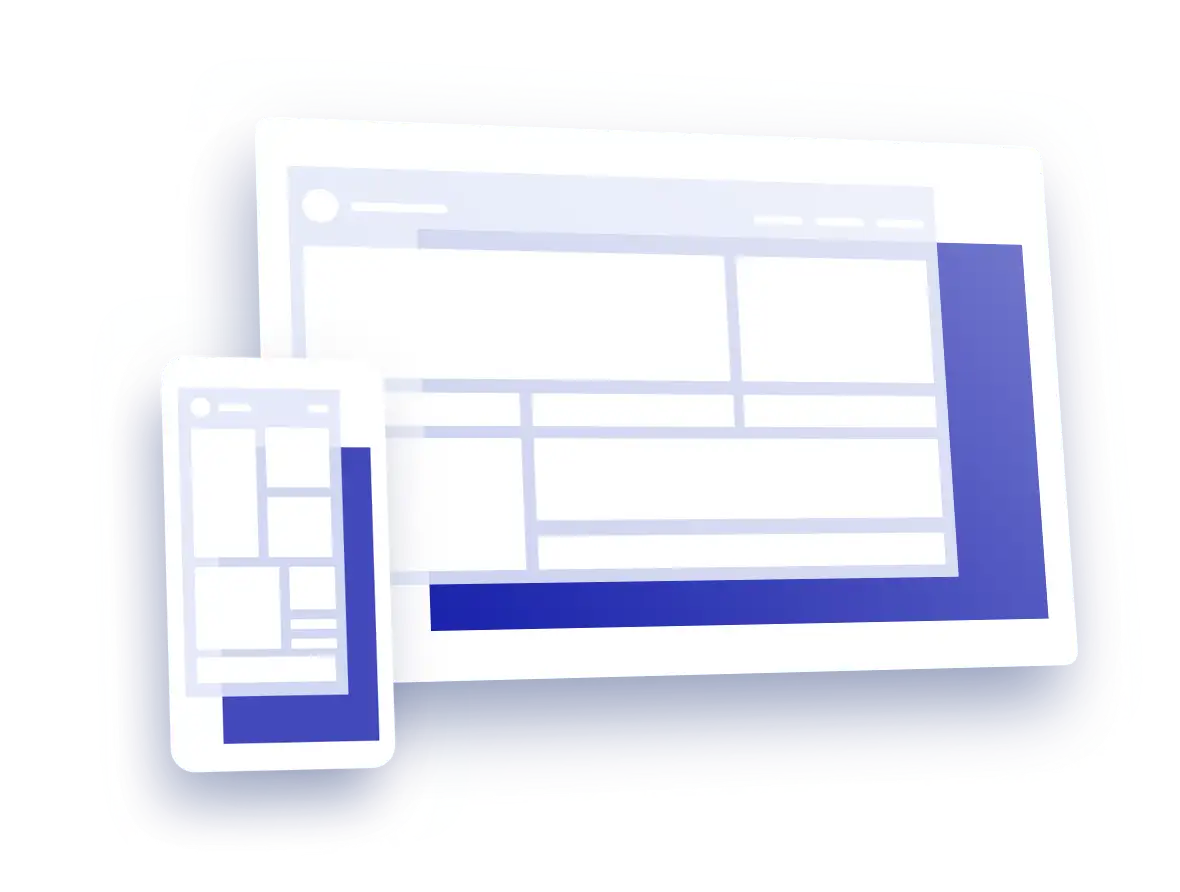
Popunder
It’s the easiest format to launch ads, since you don’t have ad creatives.
💡 Target mobile devices to get the best results
Push
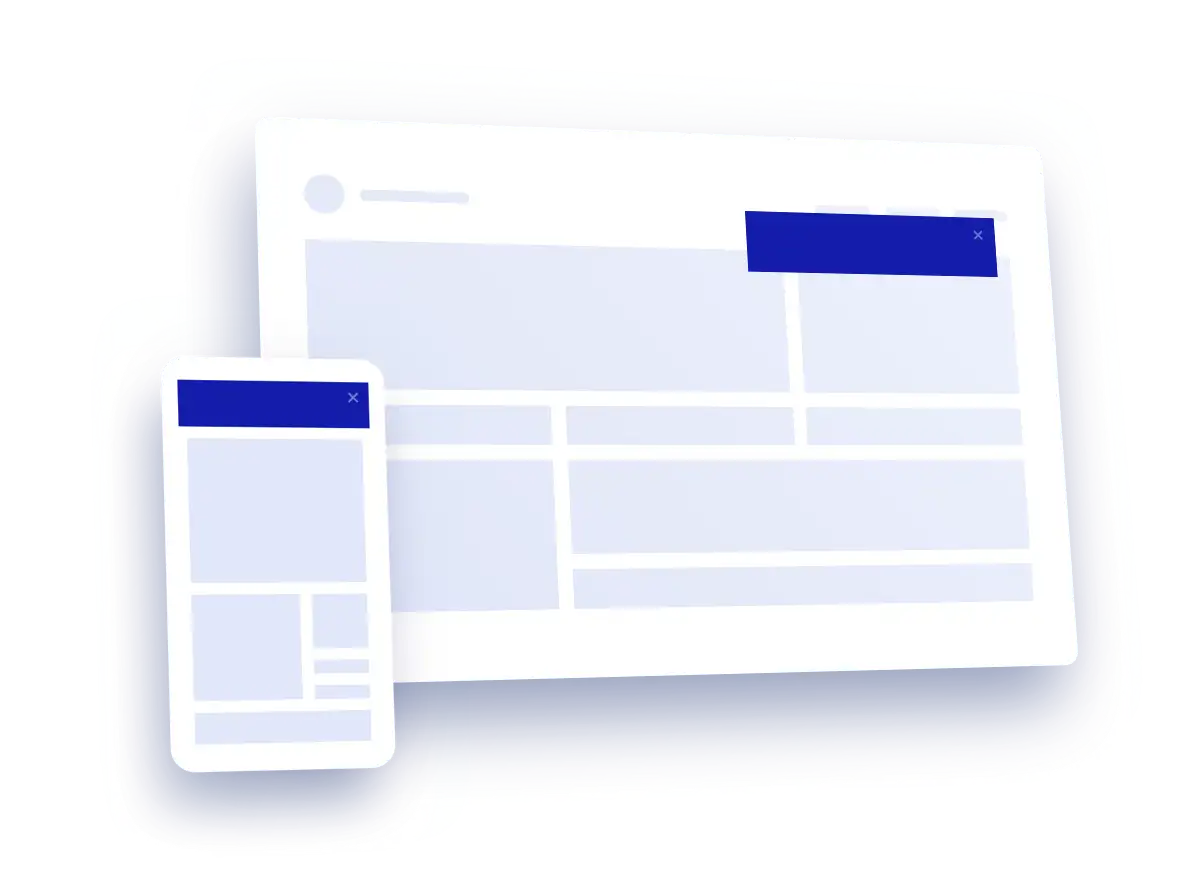
Push
Ads are delivered on a user's device even when they're not browsing the internet.
💡 Use personalization tactics to improve ad performance
FAQ
TrafficStars gives advertisers access to global traffic, multiple ad formats, RTB optimization, and advanced targeting tools. It is especially effective for performance marketers, affiliates, and brands looking to scale campaigns beyond traditional platforms.
TrafficStars becomes valuable when campaigns on Google or Meta become expensive, limited by policies, or difficult to scale. Many advertisers use it to unlock additional traffic sources and expand into new GEOs.
Some of the best-performing formats include: Popunder Ads Banner Ads Native Ads Interstitial Ads Pre-Roll Video Ads The best format depends on your vertical, funnel, and campaign goals.
Yes. TrafficStars is built for performance-focused campaigns with features like zone-level optimization, real-time bidding, conversion tracking, and flexible CPM/CPC/CPA models.
TrafficStars uses anti-fraud systems, traffic filtering, blacklists, whitelists, and placement-level analytics to help advertisers improve traffic quality and reduce invalid activity.
TrafficStars operates across 200+ countries and provides billions of daily impressions, making it suitable for scaling campaigns internationally across multiple verticals and devices.

Choosing between online advertising platforms is no longer just a media buying decision. It affects how fast you test, how accurately you measure, and how profitably you scale. In 2026, the strongest advertisers use search, social, programmatic, and ad networks together - then optimize every click after it lands.
What are online advertising platforms?
Online advertising platforms are digital services that allow businesses to create, manage, and optimize paid ad campaigns across the internet, connecting advertisers with audiences on various channels. Unlike organic search, unpaid social, or organic marketing, these platforms let brands pay for exposure, clicks, leads, installs, or sales.
The best online advertising platforms provide targeting controls, creative formats, and measurement tools to track performance and optimize campaigns, operating on a pay-per-performance model. Common pricing models include:
Advertising Pricing Models Overview
| Model | Best For | 2025–2026 Benchmark Context |
|---|---|---|
| CPM | Broad reach & brand visibility |
Cost-Per-Mille (CPM) is commonly used for large-scale visibility campaigns.
Premium video and CTV inventory can reach $25–$40 CPM. |
| CPC | Traffic acquisition & testing | Google Ads Search CPCs often average around $5+, while Microsoft Advertising is typically lower. |
| CPA | Lead generation & signups | CPA pricing is highly vertical-specific and often starts from tens of dollars per acquisition. |
| CPS | Ecommerce & affiliate sales | Frequently used in affiliate partnerships and revenue-share commerce models. |
💡 Quick takeaway: CPM works best for awareness, CPC for traffic testing,
CPA for performance optimization, and CPS for revenue-sharing affiliate campaigns.
Core components include audience targeting, keywords, GEO, device, interests, creatives, tracking pixels, postbacks, and reporting dashboards. Platforms like google ads, meta ads, tiktok ads, linkedin ads, and TrafficStars are complementary, not mutually exclusive.
Look beyond the click. Dedicated landing pages, funnel tracking, and post-click testing now drive a large share of campaign performance gains.
Major categories of online advertising platforms
Most advertisers do not rely on a single ad platform. They mix several advertising platforms based on audience intent, scale, ad formats, traffic quality, and transparency.
Advertising Channel Categories & Funnel Roles
| Category | Funnel Role | Strength | Limitation |
|---|---|---|---|
| Search | Bottom funnel | Captures high-intent searchers | CPCs can become expensive in competitive niches |
| Awareness → Conversion | Strong discovery & creative testing | Creative fatigue happens quickly | |
| Programmatic | Full funnel | Massive scale across publishers | Requires optimization skills & tracking discipline |
| Ad Networks | Performance & Scale | Flexible formats and GEO targeting | Traffic quality varies by source |
| Native | Consideration | Softer selling through content | Requires strong advertorials |
| Retail Media | Purchase | High shopper intent | Dependence on marketplace ecosystems |
| Affiliate / Influencer | Conversion | Performance-based reach | Attribution tracking can be messy |
| Mobile / Gaming / Audio | Awareness & Action | Highly engaged audiences | Format-specific learning curve |
💡 Strategy insight: the best media mix combines bottom-funnel intent
channels (Search, Retail Media) with scalable discovery channels like Programmatic,
Native, and Ad Networks.
TrafficStars sits in the “self-serve ad network + RTB marketplace” category. It is often used once teams are ready to scale beyond walled gardens with banner, native, popunder, interstitial, push, and video advertising formats.
Search engine marketing platforms (Google Ads, Microsoft Advertising, others)
Paid search still represents roughly 35–40% of global digital ad spend in 2025–2026. According to recent IAB/PwC coverage reported by Search Engine Land, U.S. search revenue reached about $114.2B in 2025.
Search ads work through keyword auctions. Advertisers choose match types, set a bidding strategy, and compete based on bid, relevance, and landing page quality. Google Ads captures users with high buying intent who are actively searching for solutions.
Google ads remains the largest search platform, with google search holding over 90% global search share. Campaign types include Search, shopping ads, YouTube video, Performance Max, and the google display network. Many advertisers use it to validate offers, keywords, and landing pages before scaling elsewhere.
Niche search includes Amazon Ads, app store ads, and vertical search. These ppc platforms are useful, but many teams later add ad networks like TrafficStars for scale.
Social media advertising platforms (Meta, TikTok, LinkedIn, Pinterest)
Social media platforms are strong for discovery, impulse purchases, and broad visibility. In 2025, U.S. social media ad revenue reportedly reached about $117.7B, slightly ahead of search.
According to a survey of 1,440 marketers, 44% reported Google Ads as their top-performing platform, while 25% cited Facebook, indicating varying effectiveness across platforms. Google Ads and Meta Ads (Facebook and Instagram) dominate the online advertising landscape, with a significant percentage of marketers using these platforms due to their reach and targeting capabilities.
facebook ads and instagram ads run through Meta Ads Manager. They are strong for ecommerce brands, DTC, retargeting website visitors, and building lookalike audiences. Common ad formats on social media platforms include single image, carousel, video, Stories, Reels, and collection ads, each designed to enhance user engagement.
tiktok ads are strongest when creatives feel native. Short clips, UGC angles, and engaging videos often outperform polished brand spots.
linkedin ads are the B2B leader because advertisers can target by job title, seniority, company size, and industry. B2B services often perform well on LinkedIn Ads, while B2C consumer products see high engagement on Facebook Ads or Instagram Ads.
pinterest ads work well for visual products. Pinterest Ads utilize formats such as Promoted Pins, Shopping Ads, Carousel Ads, and Video Pins, which are effective for visual and aspirational products. reddit ads and X can also be tested for niche communities and conversation-led discovery.
Programmatic platforms, DSPs, and RTB marketplaces
Programmatic advertising automates the buying and selling of online advertising space, allowing advertisers to target audiences more precisely and efficiently than traditional methods. Real-time bidding (RTB) is a key component of programmatic advertising, enabling advertisers to bid on ad inventory in real-time, ensuring they reach their target audience at the right moment. Demand-side platforms help advertisers buy inventory. Supply-side platforms help publishers sell it. Ad exchanges connect both sides in milliseconds.
The benefits are clear:
- Omnichannel reach across display, native, video, CTV, and mobile
- Advanced targeting using contextual signals, behavioral data, and first-party audiences
- Centralized budget control across many publishers
Programmatic advertising platforms utilize data analytics and algorithms to optimize ad placements and targeting, improving the effectiveness of advertising campaigns. Enterprise DSPs such as The Trade Desk can be powerful, but they require expertise, data, and larger budgets.
TrafficStars gives advertisers RTB marketplace access in a self-serve interface, with zone-level optimization, fraud-protected traffic, and simpler setup than many enterprise programmatic platforms.
Ad networks, exchanges, and native advertising platforms
Ad networks aggregate publisher inventory. Ad exchanges sell impressions in real time. Both are important in modern digital advertising because they give advertisers reach beyond the biggest walled gardens.
Performance-focused ad networks often support banners, native ads, popunder, push, interstitial, and video ads. These formats are useful for affiliates, media buyers, and brands that need more flexible traffic sources.
native advertising platforms such as Taboola and Outbrain place sponsored stories in editorial environments. They can generate strong engagement because the ad looks closer to surrounding content. Native is often used with advertorials, lead magnets, and pre-sell pages.
TrafficStars combines native, display, popunder, interstitial, push, and video formats in one interface. That makes it easier to connect storytelling with high-intent landing pages and direct-response funnels.
Video, CTV/OTT, and visual storytelling channels
Online video revenue exceeded roughly $75–80B in the U.S. in 2025, and digital video was one of the fastest-growing categories. YouTube, TikTok, Instagram Reels, and CTV platforms have trained users to expect motion-first creative.
Main video advertising formats include:
- Pre-roll and mid-roll
- Out-stream video
- In-feed short-form clips
- Rewarded video in apps and games
- CTV/OTT placements on platforms like Roku, Hulu, and Disney+
CTV is the “new TV” with digital-style targeting. It is useful for brand awareness, retargeting, and mid-funnel education.
Strong visual storytelling improves results. Hooks in the first 5–15 seconds, simple benefits, and clear CTAs can lift campaign performance across both social and programmatic inventory.
TrafficStars supports pre-roll video and in-page video placements across global publisher sites, enabling both brand and direct-response campaigns at scalable CPMs.
Retail media networks, marketplaces, and commerce-driven ads
Retail media networks include Amazon Ads, Walmart Connect, and marketplace ad systems. They are pay-to-play placements inside ecommerce ecosystems.
Formats include sponsored products, sponsored brands, display placements, and retargeting based on shopper behavior. They work because the user is already close to purchase.
Retail media is one of the fastest-growing parts of digital marketing, pulling budget from trade marketing and traditional display.
RMNs make sense when brands already sell through those marketplaces and can manage inventory, pricing, reviews, and product pages. Ecommerce teams can also use TrafficStars to send external traffic to DTC sites, comparison pages, or pre-sell funnels, reducing dependence on one retailer.
Affiliate, partner, and influencer-driven platforms
Affiliate networks connect advertisers with publishers and media buyers who earn CPA or CPS commissions for leads or sales. Influencer platforms connect brands with creators on Instagram, TikTok, YouTube, Twitch, and other channels.
The advantage is simple: advertisers can extend reach into niche communities and benefit from social proof. This can improve conversion rates, especially when creators already have trust with potential customers.
Many affiliates validate angles on search or social, then use scalable sources like TrafficStars to send compliant traffic to offers. Tracking tools such as Voluum, RedTrack, and Binom help measure CPA, ROAS, and LTV across paid campaigns.
Key criteria to evaluate digital advertising platforms in 2026
The best digital advertising platforms are not always the largest. The best advertising platforms match your goal, audience, ad budget, compliance needs, and risk tolerance.
Evaluate each platform with these questions:
- Does it reach the right audience at the right funnel stage?
- Can it scale without destroying ROAS?
- Does it provide transparent performance metrics?
- Does it offer enough control over placements and bids?
- Does it support your vertical?
Digital advertising platforms allow businesses to target specific audiences using various parameters such as demographics, interests, and behaviors, enhancing the effectiveness of ad campaigns. Platforms like Google Ads and Meta Ads are popular for their sophisticated audience targeting capabilities, allowing advertisers to reach users based on their search queries and social behaviors.
Advanced targeting options, such as lookalike modeling and audience segmentation, enable advertisers to reach new customers who share characteristics with their existing customer base, improving campaign efficiency.
TrafficStars adds granular controls such as GEO, device, OS, browser, carrier, frequency caps, and zone-level optimization. This matters for verticals like iGaming, dating, VPNs, entertainment, AI companion apps, and adult traffic, where mainstream policies can restrict growth.
Campaign performance: landing pages, testing, and optimization
Once you choose platforms, most gains come from CRO, not constant platform switching.
Continuous optimization of ad campaigns is essential for improving return on ad spend (ROAS), as it allows marketers to adjust targeting parameters and creative elements based on performance data. Effective measurement tools are crucial for calculating Return on Ad Spend (ROAS) and optimizing future campaigns.
A/B testing is a critical component of campaign optimization, enabling marketers to test different ad copies, images, and targeting settings to enhance campaign performance and return on investment. A/B testing is crucial for optimizing ad performance, as it allows marketers to test different ad copy, images, and targeting settings to enhance campaign success.
Message mismatch between ad content and landing page can significantly reduce conversion rates, highlighting the importance of ensuring that ad messaging aligns with the post-click experience to optimize campaigns effectively.
Research shows that a 1-second delay in mobile page load time can reduce conversions by up to 20%, highlighting the importance of fast-loading landing pages for improving advertising performance. Research also shows that a 1-second delay in mobile page load time can reduce conversions by up to 20%, highlighting the importance of fast-loading mobile sites.
Businesses must ensure their websites are mobile responsive to capture the attention of potential customers, leading to higher engagement and sales. Use clear headlines, one CTA, social proof, localized copy, and fast mobile layouts.
With TrafficStars, advertisers can use subIDs, postbacks, zone reports, whitelists, blacklists, and bid adjustments to optimize campaigns with precision.
Why more advertisers are adding TrafficStars to their online advertising stack
TrafficStars is a self-serve premium ad network and RTB marketplace built for advertisers, affiliates, media buyers, brands, and publishers that need global scale.
It offers billions of daily impressions across 200+ countries, with strong coverage for mainstream and restricted verticals such as:
- iGaming
- Dating
- AI companion apps
- VPN and utilities
- Entertainment
- Adult traffic
Supported ad formats include banner ads, native, video ads including pre-roll, popunder, interstitial, push, and in-page formats. Digital advertising platforms offer various ad formats including images, videos, carousels, and stories, allowing businesses to engage audiences effectively.
TrafficStars also provides advanced targeting, including GEO, device, OS, browser, carrier, connection type, time-of-day, zone targeting, and frequency caps.
Its technology stack includes programmatic RTB infrastructure, automated optimization rules, fraud protection, and detailed reporting. For advertisers who need flexible traffic access, TrafficStars is often the best platform after an offer has already proven demand.
How advertisers typically use TrafficStars alongside Google Ads, Meta, and TikTok
A common workflow is:
- Validate the offer on google ads, meta ads, tiktok ads, or linkedin ads.
- Confirm that creatives, landing pages, and funnel economics work.
- Move budget into TrafficStars to scale with more formats, GEOs, and inventory.
For example, an iGaming operator may use search and social for regulated markets, then use TrafficStars to expand into additional GEOs where mainstream approval is harder. A dating app might test hooks on TikTok and Meta, then move winning angles into native ads, banners, and pre-roll on TrafficStars. A VPN brand can use search to capture demand, social to educate users, and TrafficStars to scale push, popunder, and video placements. The key is to reuse what works. Winning hooks, thumbnails, short videos, and offer angles from popular platforms can often be adapted for TrafficStars placements. Postback-based tracking keeps CPA, LTV, and funnel data consistent across multi channel campaigns.
Choosing the best online advertising platforms for your business
Here is a practical decision guide.
- Clarify your goal: leads, sales, app installs, brand awareness, or retention.
- Define your acceptable CAC, CPA, ROAS, and testing timeline.
- Map where your audience spends time: search, social, niche sites, apps, or marketplaces.
- Match formats to behavior: text for intent, native for education, and video for visual storytelling.
- Shortlist 3–5 channels: one search platform, one or two social platforms, and one scalable ad network like TrafficStars.
- Set minimum data thresholds before scaling or cutting a channel.
For small business owners, local businesses, small businesses, e commerce businesses, and larger brands trying to grow a business online, the goal is not to be everywhere. The goal is to advertise online where you can measure, learn, and scale.
In 2026, the best online advertising platforms are the ones that offer profitable, trackable growth. Often, that means combining mainstream reach with a flexible performance network like TrafficStars.