
.png "How to Drive Traffic to CPA Offers")
What is a CPA network? A CPA network is a platform where advertisers, who pay a fee for every specified action performed by a user – it can be a lead, a sale or a deposit, meet affiliates that can perform those actions. You are not paid for clicks or impressions, you get paid for results. That one concept fuels the bulk of the affiliate marketing world, and it’s also the reason so many novices struggle: getting approved for a CPA network means you have offers to promote, but it doesn’t give you a single visitor to promote those offers to.
In this article, you will learn what CPA affiliate networks are, which terminology every cpa affiliate must know, what verticals are available (including adult), and a handpicked list of the best cpa networks in 2026. You will also learn how to combine a CPA network (your offer source) with a CPA ad network such as TrafficStars (your traffic source), and a tracker, to eventually create a performance marketing setup that is scalable. TrafficStars is not a CPA network - it is a global ad network and RTB marketplace that focuses on web traffic and dCPA buying models for the CPA offers you get from somewhere else.
What Is A CPA Network?
A CPA network is the “middleman” within the performance marketing ecosystem that links advertisers that have products or services with affiliate marketers that can promote said products or services. CPA is an acronym for Cost per Action — and the advertiser pays when that action is completed, and a CPA affiliate can receive a commission when users take these actions like making a sale or signing up to an offer.
The "action" varies depending on the offer:
- CPL (Cost Per Lead) “lead” submits a form, an email, or is registered. Single opt-in (SOI) and double opt-in (DOI) leads are the norm in dating and sweepstakes.
- CPS (Cost Per Sale) — user purchases a product. Popular in eCommerce and nutra.
- CPI (Cost Per Install) - the user installs an application. The Backbone Of mobile utilities offers.
- FTD (First-Time Deposit) - user signs up and deposits real funds. This is the main event in iGaming and betting.
What about the network’s profit margin? Simple margin. The advertiser may pay the network $60 for a first time deposit, and the network offers the deal with $50 to the affiliates, and keeps the $10 difference. Instead CPA affiliate networks charge for tracking, fraud screening, offer aggregation, and — this is the important bit for affiliates — consolidated payments which means you receive your pay from one platform rather than having to chase payments from twenty different advertisers. Cookies also enable user actions and sales to be attributed to the affiliate link.
How CPA Networks Work: Payouts, Tracking, and Approval
From the affiliate's side, working with a CPA network follows a predictable loop:
- Sign up and pass approval. Most networks manually review applications as part of the network's approval process. Expect questions about your traffic sources, verticals, and volumes. Having a tracker and a real answer to "where does your traffic come from?" dramatically improves your approval rate.
- Pick an offer. Each offer card lists the payout, allowed geos, allowed traffic types (and, just as important, prohibited ones), and the conversion flow.
- Get your tracking link. The network generates a unique URL with your affiliate ID; that affiliate link is the attribution mechanism the network uses to credit conversions. You'll typically append a clickid parameter so your tracker can match clicks to conversions and monitor key metrics.
- Set up conversion tracking using an S2S postback a server-to-server call that notifies the ad network, your tracker, and even the ad network (such as TrafficStars) when an action is completed.
- Drive traffic, wait out the hold. Conversions sit in a hold period (usually 7-30 days) while the advertiser validates lead quality. Then you're paid - the payment structure varies by network and volume, with weekly payouts or longer schedules, and minimum thresholds can start as low as $20.
Two key metrics decide whether an offer is worth your time: approval rate (what share of your conversions the advertiser actually accepts) and EPC (earnings per click - your true yardstick for comparing offers on the same traffic).
CPA vs RevShare vs Hybrid: Which Payout Model to Choose
| Model | How You're Paid | Best For | Risk Profile |
|---|---|---|---|
| CPA | Fixed one-time payout per qualified action or conversion. | Media buyers who need fast, predictable cash flow to reinvest in traffic. | Low Risk Capped upside |
| RevShare | Earn a percentage of the revenue generated by every referred user over time. Common in iGaming, cam, and subscription offers. | Affiliates with high-LTV traffic willing to build recurring revenue. | Higher Risk Slow start, unlimited upside |
| Hybrid | Smaller CPA payment combined with recurring RevShare commissions. | Experienced affiliates balancing immediate cash flow with long-term earnings. | Balanced Short-term + long-term income |
Rule of thumb: if you're buying media and reinvesting daily, start with CPA. You can renegotiate to hybrid once you've proven traffic quality, while programs such as N1 Partners can offer revenue share up to 45% for affiliates when affiliates benefit from longer-term value.
Choosing the right model directly affects how you calculate target CPA when buying traffic on a platform like TrafficStars.
Types of CPA Networks by Vertical
Mostly CPA networks focus on specific verticals. Selecting a vertical that matches with traffic sources and experience level could be a big difference in this case.
Mainstream / E commerce & Finance: includes shopping CPS, credit card leads, insurance quotes, and applications for personal loans. The lead payments range from $20 to $200. Strict adherence to rules and regulations makes this more difficult for novices.
Nutra (Health & Beauty): COD trials, supplement subscriptions, cosmetic leads. Common CPA varies between $20 and $60. In fact, pre-landers are very important and some GEOs restrict according to health claims.
iGaming / Betting: FTD-based offers for casino, sportsbook, and poker. Tier-1 GEOs (US, UK, AU) give $100–$350 per FTD; tier-2 is lower. KYC and responsible gambling regulation make things more complex.
Dating: SOC and DOC leads for mainstream and casual dating. Favored among affiliates that use pop, push, and native traffic. SOI payouts are generally at $2-$8; DOI in strong GEOs can got as high as $15-$30.
Sweepstakes: email submits for prize draws. High volume but rigorous fraud checks. Per lead earnings are low ($1-$5) but grow quick.
Mobile Utilities & Apps: CPI and CPA for VPNs, cleaners, security apps. Mobile-friendly, payouts $5-$40 based on activation) when you bring traffic.
Adult: cam sites, adult dating, VOD subscriptions. All these need adult-friendly traffic sources and we cover that in detail below.
CPA promotions have potential to convert more quickly considering that you do not need to buy for many tasks and publishers can select from the top convert offers that are specifically designed for their niche of audience via CPA networks. Because there are so many different verticals, I think there is something for every type of traffic.
CPA Networks in 2026
There are hundreds of networks, but in CPA marketing choosing the right CPA network is what helps maximize earnings by matching your vertical, your geo mix, and your payment expectations.Every network above solves the same problem: it gives you an offer and a payout. What none of them gives you is traffic. Before we get to that, one segment deserves its own section.
Adult CPA Networks: How the Adult Vertical Works
An adult CPA network works exactly like a mainstream one — offers, payouts, holds, postbacks - but the offer types and the traffic rules are different. Adult CPA affiliate networks still rely on fraud protection and high quality traffic controls to protect advertisers and affiliates, since fraud protection ensures traffic quality in CPA networks.
The core adult offer categories:
- Adult dating - SOI/DOI registrations, payouts roughly $2–$12 across geos, with Tier-1 English-speaking geos at the top of the range.
- Cam - revshare or CPA per registration/spender on live cam platforms; among the highest-LTV traffic in the industry.
- VOD / memberships - CPS on subscription content.
- Adult games - CPL/CPS hybrids, strong on Tier-1 mobile traffic.
That is the hidden rule that dictates this whole vertical: traffic sources compatible with adult offers must be adult traffic sources. Google Ads and Meta will not approve the creatives or the landing pages no matter how you cloak - and cloaking gets accounts banned. So affiliates partnering with an adult CPA network purchase the traffic where it is allowed: on adult ad networks that put your ads on actual high traffic adult websites. And affiliate fraud can also drain engagement metrics for higher commissions, so go with networks that have strict vetting process to stop fraud; to give you a concrete example, CrakRevenue employ advanced tools for fraud detection.
That's TrafficStars' specialty — the network distributes inventory on top adult publishers globally, and its ad units and targeting that align with these flows. If you are on the buy side, check out our guides to buying adult traffic and the best adult ad networks.
CPA Network vs CPA Ad Network: Where the Traffic Comes From
This is where the terminology trips people up, because "CPA network" is used for two different things. Let's split them cleanly between the affiliate-network side, or performance-based affiliate network, and the traffic-source side:
| Comparison Point | CPA Network (Affiliate Network) |
CPA Ad Network (Traffic Source) |
|---|---|---|
| What It Gives You | Offers and affiliate programs to promote. | Visitors and paid traffic to send to your offers. |
| Who Pays Whom | The network pays you for each approved action or conversion. | You pay the network. With CPA pricing, you pay for completed conversions. |
| Examples | MaxBounty, CrakRevenue | TrafficStars with dCPA pricing |
| Your Role | Publisher / Affiliate | Advertiser / Media Buyer |
A CPA ad network turns the logic upside down: you don’t pay for impressions (CPM) or clicks (CPC), instead you say how much a conversion is worth to you, and its algorithm buys traffic to meet that target. For an affiliate, that means the language of the traffic source pricing model finally aligns with the language of the offer payout.
Hence the full affiliate stack looks like this: a CPA offer + traffic from a CPA ad network + a tracker to tie the two together. The tracker relays conversions from the affiliate network to the traffic source; advanced tracking solutions are what enable you to truly track campaign performance by traffic source, which is what allows CPA-based buying to exist in the first place.
So the entire whole question of where to get good “Our Products Network” CPA Network Traffic traffic for your website traffic really boils down to finding your CPA ad network. Here's how it works on TrafficStars.
How to Run CPA Campaigns on TrafficStars (dCPA Model)
TrafficStars is a self-service advertising platform with global reach across more than 200 regions and six ad formats. Campaigns can be run using CPM, dCPM, CPC, CPMV, or dCPA (dynamic CPA) models a model designed specifically for conversion-focused buying.
With dCPA, you set a target cost per acquisition. The platform participates in auctions for ad inventory, tracks which placements, devices, and segments are actually driving conversions for you, and automatically reallocates your budget in their favor—increasing spending where the target CPA is met and reducing it where it isn’t. You get algorithmic optimization without having to manually adjust bids for each placement.
Here’s a step-by-step guide to setting it up.
Step 1 – Turn on Conversion Tracking (Conversion Tracking Postback)
.png)
Good S2S postback setup between your CPA network, tracker, and TrafficStars is dCPA's core.
The d flow: TrafficStars makes a click with a unique clickid → the clickid is passed along with the cpa network tracking link to the landing page → the user if takes an action, the cpa network sends a postback to TrafficStars with the clickid and the value the user earned.
Practical steps: In your TrafficStars campaign in settings find the postback URL template. Map the {clickid} token in the CPA network’s postback. Simulate a sale, and see if it appears in the TrafficStars report. For enterprise-grade integration and mass campaign management, TrafficStars provides an API as well as documentation. Connect with trackers such as Voluum, BeMob, CPV Lab, and more with the preconfigured traffic source templates.
Step 2 - Select Ad Type and Pricing Model
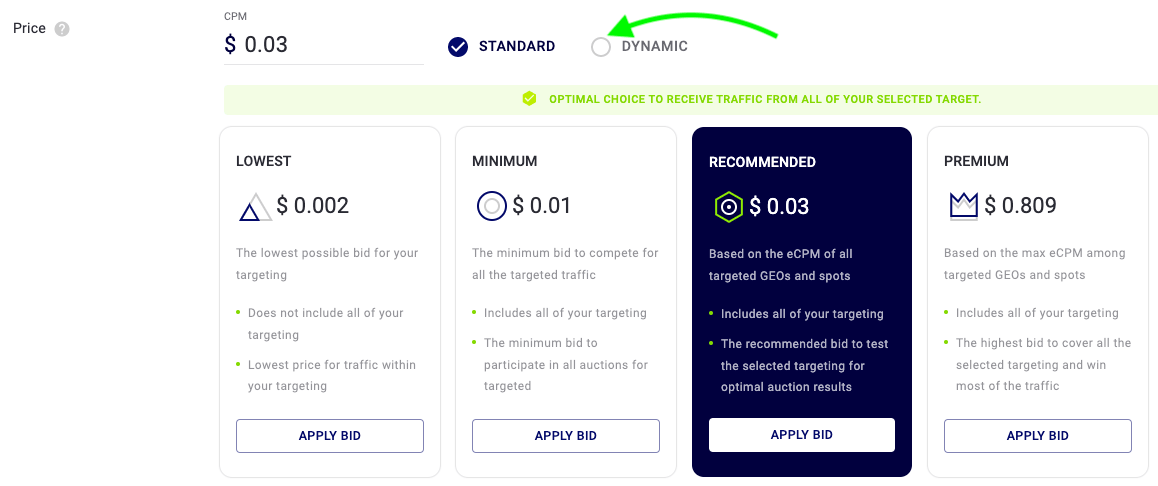
Match format to vertical:
- popunder & banner are good for dating & sweepstakes;
- native for nutra & finance;
- video pre-roll for VOD & cam;
- interstitial for mobile utilities & games.
When beginning, think about running CPM or CPC to collect conversion data, then transition to dCPA once you have enough signals for the algorithm to optimize. For push (CPC only), set the Optimizer auto-rules to pause all zones going over your target CPA.
Set your dCPA target a little lower than the offer payout. If a dating offer pays $30 CPA, set your target at about $20–$22 to give yourself some margin for fluctuations in approval rate. Tune it according to the initial results and the real approval rate from the CPA network.
Steps 3 - Target, Test, Optimize
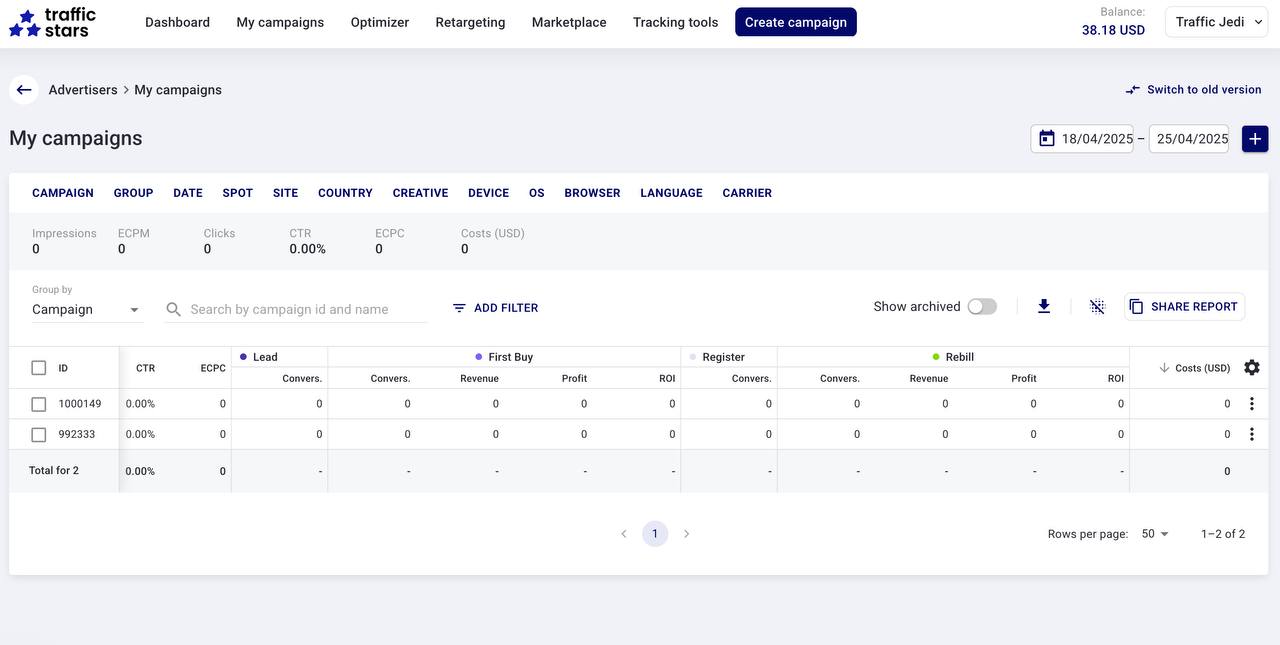
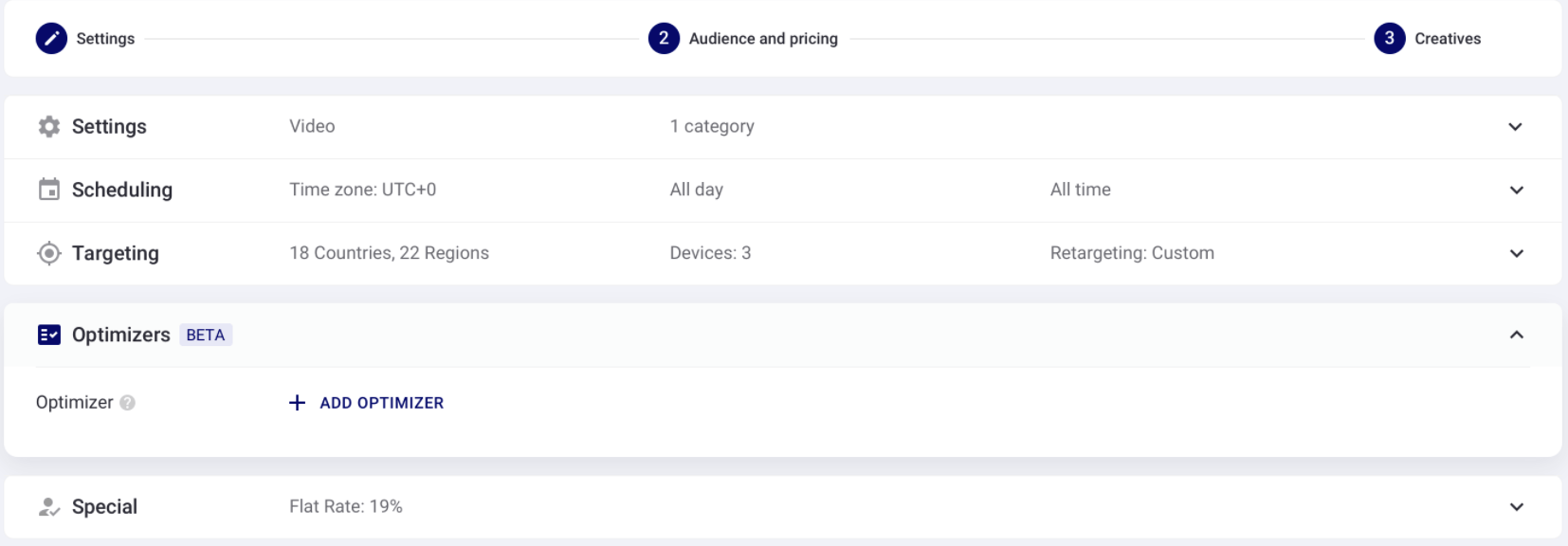
TrafficStars provides CPA offers with granular targeting options such as GEO (country/region), device type, OS and version, browser, carrier, language, connection type, day-parting, frequency capping, and zone level whitelists/blacklists.
Campaign structure: be broad to start and within your allowable GEO / device constraints. Collect data for 48–72 hours and then break winning zones down into whitelists and block bad performers.
Optimizer feature: define automated sequences for stopping zones or creatives when CPA becomes higher than your goal, CTR goes under a threshold, or when the first conversion doesn’t happen after a particular amount of impressions. You can run your optimization campaigns and not babysit them 24/7.
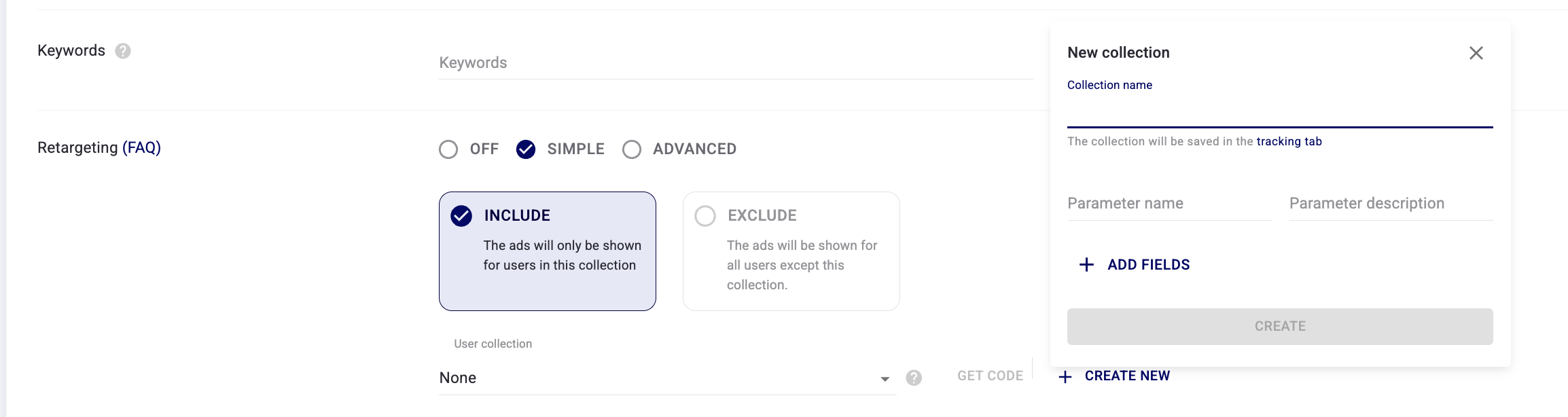
Retargeting: TrafficStars supports collected audiences, so you can re-engage users that clicked but did not convert - particularly relevant for higher-funnel offers where the user requires a second touch. Mini-case: You run a dating DOI offer paying $30 CPA. You dCPA target at $20 on TrafficStars with a $50 daily budget. Post optimization, you get an effective CPA of $18. That’s about 2.7 conversions × $30 payout – 2.7 conversions × $18 cost = $32 approximately profit per day. Scale by adding GEOs, creatives, and budget. And that’s the way how affiliate marketers turn a one-time offer into a long term partnership the compounds.
The platform also features a self-serve interface with global reach across 200+ GEOs, optional personal manager from a certain monthly spend, and marketplace vs premium inventory controls-tools that help you increase sales volume and monitor key metrics in real time. Fraud protection is built into the platform to ensure you are buying legitimate mobile traffic and desktop impressions.
Integrate the CPA Networks with a CPA Advertising Network
With a CPA network, you get access to screened offers, they take care of payments, compliance and conversion tracking. A cpa advertising network like TrafficStars provides you with high volume, targeted traffic for all main ad formats and 200+ GEOs-including the adult industry where mainstream channels cannot go.
The suggested stack for affiliates in 2026: Pick a good CPA affiliate network from the above list → integrate it with a solid tracker → then purchase worldwide traffic through TrafficStars on CPA/dCPA models to automatically optimize campaigns for profit.
Following every new "top CPA affiliate network" is a lot less important than learning the process: get your tracking setup, run test creatives, look at your key figures like EPC and approval rate, and make decisions based on numbers. Sustainable profit in this industry comes from optimizing and grinding, not hype.
Ready to generate leads and scale your CPA campaigns? Make your advertiser account at TrafficStars and launch dCPA campaigns with first rate targeting, fraud protection and a system built performance advertising in scale.



.png)
.png)
.png)